I have a chronic condition, but I'm not sick.
Sometimes when people first meet and interact with me they ask what's wrong with me as they notice my differences. Truth is nothing is wrong but at the same time something is wrong. I have physical and visual deficits and those are chronic conditions that I've lived with for my entire life and will live with until my time on this lovely Earth is up. Am I sick? Technically no. Do I have a chronic condition? Absolutely.
Some other people ask me if I ever feel sorry for myself and the things I miss out on like driving a car and I think it'd be a lie to say I don't think about how my vision keeps me from driving but in all honesty I'd rather not drive than risk being visually distracted by something I find interesting like shiny things or whatever and die on the road. But when you take a step back, living with a chronic condition can be awesome.
I can carry a cane like my favorite TV character and no one questions me. I can register for my classes and housing early. I can have computer software that talks to me if I want (which is really cool!). I can skip lines at theme parks. The list goes on and honestly I think these things make up for the one or two things I'm missing.
I have a problem with the words 'disabled' and 'differently abled' as both seem derogatory in nature to me. I'm not 'differently abled' I'm just a different kind of girl. I'm not "disabled" either- I'm able at a lot of things and there are some things I can't do just like everyone else. I'm a human being with her own talents and flaws like everybody and I think these labels should be exterminated from our vocabulary.
A few nights ago I was having dinner with my friends Tori and Amber and we were talking about Tori's left handedness and how Amber and I can only do some things with that hand since we are righties. Amber said, "Well I can write with my left hand" or something like that I can't remember. I'm a sarcastic humor kind of girl so I say, "Well some days I can hold a fork with my left hand" but apparently Amber didn't understand this was sarcasm so she felt really bad and I laughed if off telling her please not to feel bad- I was simply making a joke.
So back on topic, why would I want to be like everybody else? Be weird because normal is so boring and it really doesn't exist. And if it technically doesn't exist than why are we telling people who are different that they should be something that isn't real? It's like saying, "Hey, you'd be better as a unicorn, okay?" No.
That's really why my life rocks. Because it's different, unique to me, and pretty damn beautiful.
Wednesday, October 21, 2015
Monday, October 12, 2015
Ramblings on Hemiparesis on Hemiplegia Awareness Week
I know it's been almost a month since I last posted on here but things have gotten crazy school wise and life wise too so forgive me. I will try to keep this up as best I can.
Anyway, I found out today that apparently it's Hemiplegia Awareness Week in England thanks to a charity called HemiHelp. I have hemiparesis which is the less severe form and I think that since I'm a hemiparetic American girl I should acknowledge this very fact. Right? Sure, let's go with that.
Hemiplegia most often results from a stroke, which is something not a lot of us see a child enduring but anyone can be vulnerable to a stroke and that's just reality. In the United Kingdom it is said that 1 out of every 1,000 babies is born with hemiplegia. The numbers coming out of Stateside based charities like CHASA indicate that 1 in every 2700 babies born is a stroke survivor but there is no data on hemiplegia rates themselves.
I find statistics pretty sound sources of information and while the stats may seem insignificant when put against an entire populous, they actually speak volumes.
So now that we have numbers, what is this thing? Hemiplegia means that one side of the body is completely paralyzed. What I have, hemiparesis, is less severe and it's more muscle weakness on one side versus full fledged paralysis. Hemiplegia can also affect things like emotions, behavior, sensory functions like vision and hearing, and learning processes depending on the location of the brain injury.
I sometimes help out families of newly diagnosed kids, older children, or teens via online work and communication and a frequent thing I get from parents is: "What is my child feeling?" and I can't answer that because my situation might be different from their child's and I don't want to give false information. Their child might walk with a cane like me for support or more likely they might have a completely different situation so I say I can never truly give an accurate representation of what their child feels.
Here's another important fact: Hemiplegia/hemiparesis is incurable.
Sure, treatments are out there in the form of therapies, botox, surgery, you name it but a cure doesn't exist yet. It might in the future if we ever can do brain transplants but to be frank I assume my hemiparetic body might be long dead and it won't matter to me when a cure does come along if it does but you never know with science nowadays.
But for the next sixty or seventy years I am a member of a worldwide community of individuals with this condition and I'm going to use that time to let more than just a medical condition define me.
Me in therapy circa 1997
A good representation of me standing in relatively flat shoes
Anyway, I found out today that apparently it's Hemiplegia Awareness Week in England thanks to a charity called HemiHelp. I have hemiparesis which is the less severe form and I think that since I'm a hemiparetic American girl I should acknowledge this very fact. Right? Sure, let's go with that.
Hemiplegia most often results from a stroke, which is something not a lot of us see a child enduring but anyone can be vulnerable to a stroke and that's just reality. In the United Kingdom it is said that 1 out of every 1,000 babies is born with hemiplegia. The numbers coming out of Stateside based charities like CHASA indicate that 1 in every 2700 babies born is a stroke survivor but there is no data on hemiplegia rates themselves.
I find statistics pretty sound sources of information and while the stats may seem insignificant when put against an entire populous, they actually speak volumes.
So now that we have numbers, what is this thing? Hemiplegia means that one side of the body is completely paralyzed. What I have, hemiparesis, is less severe and it's more muscle weakness on one side versus full fledged paralysis. Hemiplegia can also affect things like emotions, behavior, sensory functions like vision and hearing, and learning processes depending on the location of the brain injury.
I sometimes help out families of newly diagnosed kids, older children, or teens via online work and communication and a frequent thing I get from parents is: "What is my child feeling?" and I can't answer that because my situation might be different from their child's and I don't want to give false information. Their child might walk with a cane like me for support or more likely they might have a completely different situation so I say I can never truly give an accurate representation of what their child feels.
Here's another important fact: Hemiplegia/hemiparesis is incurable.
Sure, treatments are out there in the form of therapies, botox, surgery, you name it but a cure doesn't exist yet. It might in the future if we ever can do brain transplants but to be frank I assume my hemiparetic body might be long dead and it won't matter to me when a cure does come along if it does but you never know with science nowadays.
But for the next sixty or seventy years I am a member of a worldwide community of individuals with this condition and I'm going to use that time to let more than just a medical condition define me.
Me in therapy circa 1997
A good representation of me standing in relatively flat shoesThursday, September 17, 2015
Learning to Walk Flat Footed (With A Cane!)
Sorry this post is so seriously late but school has started to get crazy so I've had to focus on that. But anyway here's my post...
From the time I could walk I've walked on my tip toes because of my stroke which isn't uncommon.
When I did physical therapy they tried to improve my gait (walk) but as a kid I was becoming a master of sass and I didn't want to. My dad actually tells me that6 when I was little some doctors tried to convince my parents that I needed my Achilles tendon lengthened and if not my knee would be overworked by the time I was 13.
I'm 20 by the way and my knee still likes me (I hope).
Last Wednesday in Yoga class my teacher (who is awesome by the way) told me that Yoga could be an alternative therapy for stroke patients and that she wanted to try it with me. First thing she challenged me to do was practice walking like we do our lunges with long strides, putting my left leg first so it will hit the ground rather than like how I usually walk. Needless to say, as an INTJ I love challenges so I accepted.
It's been a week and three days since I took this on and I'm still going strong.
So far there has been intermittent pain but it's not as bad as I was expecting. I was expecting the leg muscles I'd been neglecting to have atrophied after so long with no use but I don't think that's happened here which is awesome. I think the pain might actually just be the muscles stretching after so long of not using them and as of now it seems to have disappeared but I'm being vigilant.
Anyway I decided that a cane might help me in this endeavor so I bought one! As you know if you know me at all I decided to get a cane that looks like Dr. House's. With flames on the bottom it looks just like House's most famous cane and it's really awesome! So dative improved my walking with using it and gotten a lot of positive feedback on it from a lot of different people (and some clever jokes about it from my dad) which makes me feel more motivated to keep this up.
I've decided my sophomore year of college is going to be a year of self improvement and this is a great start for me!
Me, my friends Tori and Amber, and the flame cane!
From the time I could walk I've walked on my tip toes because of my stroke which isn't uncommon.
When I did physical therapy they tried to improve my gait (walk) but as a kid I was becoming a master of sass and I didn't want to. My dad actually tells me that6 when I was little some doctors tried to convince my parents that I needed my Achilles tendon lengthened and if not my knee would be overworked by the time I was 13.
I'm 20 by the way and my knee still likes me (I hope).
Last Wednesday in Yoga class my teacher (who is awesome by the way) told me that Yoga could be an alternative therapy for stroke patients and that she wanted to try it with me. First thing she challenged me to do was practice walking like we do our lunges with long strides, putting my left leg first so it will hit the ground rather than like how I usually walk. Needless to say, as an INTJ I love challenges so I accepted.
It's been a week and three days since I took this on and I'm still going strong.
So far there has been intermittent pain but it's not as bad as I was expecting. I was expecting the leg muscles I'd been neglecting to have atrophied after so long with no use but I don't think that's happened here which is awesome. I think the pain might actually just be the muscles stretching after so long of not using them and as of now it seems to have disappeared but I'm being vigilant.
Anyway I decided that a cane might help me in this endeavor so I bought one! As you know if you know me at all I decided to get a cane that looks like Dr. House's. With flames on the bottom it looks just like House's most famous cane and it's really awesome! So dative improved my walking with using it and gotten a lot of positive feedback on it from a lot of different people (and some clever jokes about it from my dad) which makes me feel more motivated to keep this up.
I've decided my sophomore year of college is going to be a year of self improvement and this is a great start for me!
Me, my friends Tori and Amber, and the flame cane!
Thursday, August 27, 2015
What's It Like Living With Low Vision?
Living with low vision is both kinda awesome and a personal hell simultaneously.
I was doing some research (is anyone surprised?) on what exactly constitutes low vision versus legal blindness in the United States and I've gotten some very interesting results. Come on this journey as I share my enlightenment of this topic through my owneyes lens.
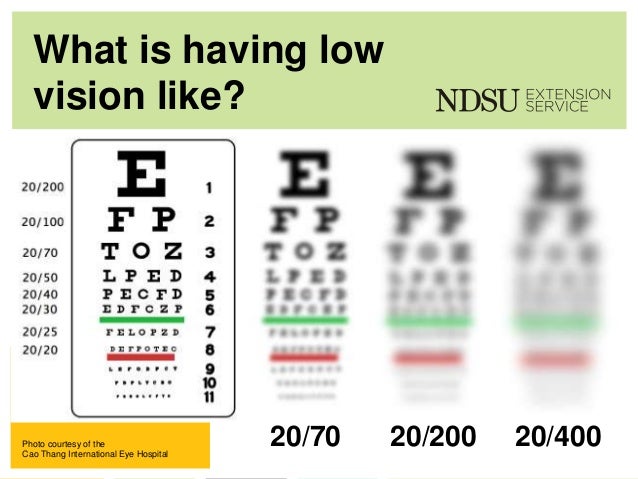
In the U.S. we have a classification system for levels of vision loss. As most people know 20/20 is perfect vision (and a lovely two part album series by JT!). When the second number gets bigger the more vision loss a person has; for example I'm 20/70 so I can see at 20 feet what a fully sighted person can see at 70 feet away with best correction via glasses/contacts/surgery.
However, you are not 'legally blind' by definition if your visual acuity (or accuracy) is better than 20/200. When I was a little girl I was by definition legally blind but somehow my vision decided to improve slightly so now I can't actually claim legal blindness. In recent years sometimes my mom would say something like, "Helon is legally blind" when explaining my many medical conditions to whomever needed that information but I don't think she knew that wasn't exactly the case in terms of accuracy on a medical standpoint but hey it is an easier explanation, right? Way less wordy for sure.
Let me illustrate to you perfectly sighted people what my vision looks like with a picture I Googled:
I was doing some research (is anyone surprised?) on what exactly constitutes low vision versus legal blindness in the United States and I've gotten some very interesting results. Come on this journey as I share my enlightenment of this topic through my own
In the U.S. we have a classification system for levels of vision loss. As most people know 20/20 is perfect vision (and a lovely two part album series by JT!). When the second number gets bigger the more vision loss a person has; for example I'm 20/70 so I can see at 20 feet what a fully sighted person can see at 70 feet away with best correction via glasses/contacts/surgery.
However, you are not 'legally blind' by definition if your visual acuity (or accuracy) is better than 20/200. When I was a little girl I was by definition legally blind but somehow my vision decided to improve slightly so now I can't actually claim legal blindness. In recent years sometimes my mom would say something like, "Helon is legally blind" when explaining my many medical conditions to whomever needed that information but I don't think she knew that wasn't exactly the case in terms of accuracy on a medical standpoint but hey it is an easier explanation, right? Way less wordy for sure.
Let me illustrate to you perfectly sighted people what my vision looks like with a picture I Googled:
See the Snellan chart that says 20/70? Welcome to my visual world, people. Funny thing is in the last few times I've been to my eye doctor when they've always asked if I could read past the fourth line I have actually laughed at the absurdity of that question.
Some of y'all who know me well might ask, "But didn't your last eye surgery help your vision?" and the answer is no. The only eye surgery that I know of that can truly improve vision loss is LASIK (lol) which I'm a horrible candidate for.
Now that I've explained the #VisuallyImpairedStruggle there are actually some awesome things about living with low sight including and not limited to: private turs at museums/historical sites if applicable, front row parking spaces (who doesn't love that?) if you drive or passes for people who drive you around because you're too cool to drive yourself so others drive you, front row seats at like any event ever if you can choose your seats, Braille is cool and so is large print, and a white cane or service dog makes you a badass I think or a guy/chick magnet in the case of a dog.
Appreciate your sight, however low or high your Snellan numbers are people.
Monday, August 24, 2015
The Syndicate Theory- An Introduction
Woo hoo! I'm back for another year of school (and blogs) up in these beautiful North Georgia mountains and I could not be more excited! But I'll post about that a little later because now something else has a bit more of my interest in relation to the blog.
As an introverted scholar I also tend to consider myself as something of a philosopher and as I sit writing I'm listing my favorite philosophers/political theorists/etc in my head. I'm big on Locke's ideas, I've read some Hobbes and Rousseau and Voltaire, and I'm all to familiar with the great American philosophers like Jefferson and Franklin but an unlikely place I found a bit of philosophy recently that I liked was in the latest Mission: Impossible film.
The roots of the theory I've developed, called the Syndicate Theory (named after the organization the IMF tries to bring down in the film), are actually found in the word itself. A syndicate is, by definition in the English language, "a self-organizing group of individuals companies, corporations, or entities formed to pursue or promote a shared interest."
Thus the Syndicate Theory is actually quite simple: everything in my life, and yours, and actually in the universe works like a system to promote a shared interest. Your body? It's a syndicate that has the shared goal of keeping you alive. School? It's a syndicate with the common end goal of preparing students for transition into the real world as functioning members of a society.
Another good example is government. I am taking a Political Science class that is required for my history minor and today we were just talking about my Syndicate Theory but we called it a balance of freedom vs. order. The goal of the syndicate that presents in the form of our government in this country, to me, is to preserve the peace and freedom the United States was founded on.
Now, no syndicate works perfectly. Your body gets sick from time to time and some of those illnesses can threaten the goal of the syndicate, the school system you're in might not be well run and thus you're launched totally unprepared into the real world, governments go rouge and then collapse, etc. By nature no one thing or person can be "perfect" it's just not possible and if that were the case what would be the point of existence? Humans learn to thrive in spite of their imperfections and those imperfections motivate us to better ourselves so we can better the Syndicate that we are all a part of.I don't believe one person can change the world- but certainly a group or a syndicate can.
So that's my rambling and bit of philosophy for the day! Cheers to another year of blogs!
As an introverted scholar I also tend to consider myself as something of a philosopher and as I sit writing I'm listing my favorite philosophers/political theorists/etc in my head. I'm big on Locke's ideas, I've read some Hobbes and Rousseau and Voltaire, and I'm all to familiar with the great American philosophers like Jefferson and Franklin but an unlikely place I found a bit of philosophy recently that I liked was in the latest Mission: Impossible film.
The roots of the theory I've developed, called the Syndicate Theory (named after the organization the IMF tries to bring down in the film), are actually found in the word itself. A syndicate is, by definition in the English language, "a self-organizing group of individuals companies, corporations, or entities formed to pursue or promote a shared interest."
Thus the Syndicate Theory is actually quite simple: everything in my life, and yours, and actually in the universe works like a system to promote a shared interest. Your body? It's a syndicate that has the shared goal of keeping you alive. School? It's a syndicate with the common end goal of preparing students for transition into the real world as functioning members of a society.
Another good example is government. I am taking a Political Science class that is required for my history minor and today we were just talking about my Syndicate Theory but we called it a balance of freedom vs. order. The goal of the syndicate that presents in the form of our government in this country, to me, is to preserve the peace and freedom the United States was founded on.
Now, no syndicate works perfectly. Your body gets sick from time to time and some of those illnesses can threaten the goal of the syndicate, the school system you're in might not be well run and thus you're launched totally unprepared into the real world, governments go rouge and then collapse, etc. By nature no one thing or person can be "perfect" it's just not possible and if that were the case what would be the point of existence? Humans learn to thrive in spite of their imperfections and those imperfections motivate us to better ourselves so we can better the Syndicate that we are all a part of.I don't believe one person can change the world- but certainly a group or a syndicate can.
So that's my rambling and bit of philosophy for the day! Cheers to another year of blogs!
Wednesday, July 8, 2015
"You Do So Well"- A Compliment That Demeans
Hey guys! I know I haven't blogged since summer started but I really wanted to do a post on something I feel strongly about. I'll try to get back on blogging reguarly when I go back to school in mid August!
Anyway, the post I want to do is on something I've seen as a growing issue in the disability community of America. Often when people who are able bodied see a disabled person doing what they do they feel inclined to go up to them and congratulate them on accomplishing a normal task. Most able bodied people think that they are being nice by complimenting their disabled counterpart on whatever they're doing and I'm sure they have good intentions but these compliments draw attention to the disabled person and often that attention is unwanted.
I have had many people approach me in this way throughout twenty years of personhood and by now it's just annoying. Like I said earlier I'm sure people have good intentions when they compliment me or any disabled individual if they do something people see as "normal" i.e. activities done by mostly able bodied people.
"You do so well" or "Good job!" seem harmless but believe me when I say that most disabled individuals do not want to be called out- even if it's in a good way. We want to fit in just like any person would and acknowledging that we do normal things DESPITE a disability actually has the opposite affect. It singles us out and frustrates us.
Now I'm not saying compliments are bad, but all I'm saying is that able bodied people who want to give the disabled people that live among them most of us just want you to think about your compliment and how you deliver it will be perceived by the complimentee. Like some people tell me, "Wow! You do so well with normal things despite having less motor function than most people!" and that will usually get a nice response from me in front of the complimenter but anger me in my mind and frustrate me. Why don't we compliment everyone on doing something; why do we single out drawing attention to the disabled?
Is it because we try harder to live a normal life? Are people truly inspired by that? I don't think they should be. We're just like you trying to live our lives as normally as possible.
Anyway, the post I want to do is on something I've seen as a growing issue in the disability community of America. Often when people who are able bodied see a disabled person doing what they do they feel inclined to go up to them and congratulate them on accomplishing a normal task. Most able bodied people think that they are being nice by complimenting their disabled counterpart on whatever they're doing and I'm sure they have good intentions but these compliments draw attention to the disabled person and often that attention is unwanted.
I have had many people approach me in this way throughout twenty years of personhood and by now it's just annoying. Like I said earlier I'm sure people have good intentions when they compliment me or any disabled individual if they do something people see as "normal" i.e. activities done by mostly able bodied people.
"You do so well" or "Good job!" seem harmless but believe me when I say that most disabled individuals do not want to be called out- even if it's in a good way. We want to fit in just like any person would and acknowledging that we do normal things DESPITE a disability actually has the opposite affect. It singles us out and frustrates us.
Now I'm not saying compliments are bad, but all I'm saying is that able bodied people who want to give the disabled people that live among them most of us just want you to think about your compliment and how you deliver it will be perceived by the complimentee. Like some people tell me, "Wow! You do so well with normal things despite having less motor function than most people!" and that will usually get a nice response from me in front of the complimenter but anger me in my mind and frustrate me. Why don't we compliment everyone on doing something; why do we single out drawing attention to the disabled?
Is it because we try harder to live a normal life? Are people truly inspired by that? I don't think they should be. We're just like you trying to live our lives as normally as possible.
Saturday, April 25, 2015
My Views On Medicine As A Practice
If you guys read this blog regularly, you know I like sharing my thoughts with others. Last post I covered my views on religion and this post I'm covering my views on the medical community just because I think I should share them. Medicine to me is basically the profession I love to love yet also love to despise entirely. Go ahead, tell me I'm being hypocritical: I know.
I also tend to think, in my nineteen year old mind, that I'm one of the smartest people on this Earth even though deep down I know that's a lie. Everybody lies.
So that brings me to living my whole life believing I was scared of/smarter than pretty much every medical professional I have encountered in nineteen years full of therapies, MRIs, CT scans, and two surgeries once I understood the medicine behind what was being done to me. I grew up hating every single appointment more than any other kid I know of, spitting on doctors and nurses because I was a little sass queen, etc and it stayed that way until I was probably a sophomore in high school when I took my Intro to Healthcare Science class.
Then I started to get interested in medicine and I haven't looked back.
In the two years I took my Healthcare class I learned how to think critically when in a medical situation. I learned to question medical opinions if needed and to read up on any information I was given. I learned to only put my trust in people who knew what they were doing. These lessons were cleverly woven in through learning how to administer injections (to oranges- a great stress relieving technique), learning to make hospital corners on beds, medical term videos that have taught me a great deal of the medical jargon I know, and watching House (my one true love in a TV show format).
I blogged a while ago about my last surgery experience in July, but a thing I did not really focus on in that post was my thoughts throughout the experience. I actually have a very clear memory of asking one of my anesthesia team that day about anesthesia awareness/how they planned to prevent such an occurrence and I recall whoever it was that I ask being vaguely impressed.
Since then I have gotten into any medical show I can find especially House and Grey's Anatomy. Probably by now most people know that McDreamy got killed off last week and I watched the episode and I could point out the errors the medical team (that was not from the hospital where Grey's is usually set) was making and I was screaming at my computer screen things like "HE NEEDS A HEAD CT SCAN OMG HOW CAN YOU NOT KNOW THIS?!"
Like I said, I could never actually do any of that, but I love being informed.
I also tend to think, in my nineteen year old mind, that I'm one of the smartest people on this Earth even though deep down I know that's a lie. Everybody lies.
So that brings me to living my whole life believing I was scared of/smarter than pretty much every medical professional I have encountered in nineteen years full of therapies, MRIs, CT scans, and two surgeries once I understood the medicine behind what was being done to me. I grew up hating every single appointment more than any other kid I know of, spitting on doctors and nurses because I was a little sass queen, etc and it stayed that way until I was probably a sophomore in high school when I took my Intro to Healthcare Science class.
Then I started to get interested in medicine and I haven't looked back.
In the two years I took my Healthcare class I learned how to think critically when in a medical situation. I learned to question medical opinions if needed and to read up on any information I was given. I learned to only put my trust in people who knew what they were doing. These lessons were cleverly woven in through learning how to administer injections (to oranges- a great stress relieving technique), learning to make hospital corners on beds, medical term videos that have taught me a great deal of the medical jargon I know, and watching House (my one true love in a TV show format).
I blogged a while ago about my last surgery experience in July, but a thing I did not really focus on in that post was my thoughts throughout the experience. I actually have a very clear memory of asking one of my anesthesia team that day about anesthesia awareness/how they planned to prevent such an occurrence and I recall whoever it was that I ask being vaguely impressed.
Since then I have gotten into any medical show I can find especially House and Grey's Anatomy. Probably by now most people know that McDreamy got killed off last week and I watched the episode and I could point out the errors the medical team (that was not from the hospital where Grey's is usually set) was making and I was screaming at my computer screen things like "HE NEEDS A HEAD CT SCAN OMG HOW CAN YOU NOT KNOW THIS?!"
Like I said, I could never actually do any of that, but I love being informed.
Wednesday, April 22, 2015
My Views On Religion
Okay guys, so I've been reading a lot of articles on Thought Catalog or wherever about people's views on religion/whether God exists or not etc and I want to share mine. But before I do, let me just say I am absolutely not trying to discourage your own religious views. I have mine, and you have yours and most likely they differ greatly but that's cool. Isn't that what the world is built on, diversity?
I have friends with all kinds of religious views or none at all but that doesn't make me love them more or less. They're my friends so I love them unconditionally for them and enjoy swapping views on religion with them if the topic comes up. Same with my family: we're a mix of all kinds of Christianity and that's pretty cool.
I'm a scholar: I love learning about things including religion. I've recently gotten into Jewish history and culture and have enjoyed embracing that journey. I guess everyone has their own sort of spiritual journey and that must be part of mine. Going along with being a scholar, my thought processes are based on logic and reasoning rather than faith so that's the opposite side to that coin. I do not believe that faith alone will get you anywhere: you've got to work to get there and have faith in whatever it is (yourself, God, etc) along the way.
I was raised by parents who are Presbyterians and that works for them which is great. They baptized us which made sense at the time since we couldn't think for ourselves as infants. When you get to eighth grade in their church you go through Confirmation which is like a Bar/Bat Mitzvah in Judaism (but far less studying or fun) because you become responsible for your own religious actions from then on by expressing that your faith is yours and not your parents' faith on your behalf.
So I went through that, yes. But at thirteen I knew so much less of the world and couldn't think for myself as critically as I am able to now. Looking back, I wish I would have questioned more and figured out what I know now a little earlier.
I became agnostic probably my sophomore year of high school.
I am agnostic because I believe that I cannot know if God as a higher power exists. That question is too much for humans to comprehend in my opinion but yet I don't believe that God doesn't exist. How can people not look around you and be amazed at what you see? I'm pretty sure only some form of a higher power plus a little evolution could create such a beautiful world.
To my understanding, Christianity is based on the idea that everybody has a personal relationship with God. But God is also overseeing the universe right? Then if that's the case, he obviously doesn't have time or energy to care about what a college kid like me is doing while the country of Syria is tearing itself apart with civil war and innocent people are being killed. If I could talk to God I'd ask him to please focus on the latter rather than me. I'll focus on me, you focus on issues over my head and that sounds like a deal.
And I'm cool with that. you do you God if you're out there. I'll do me.
I have friends with all kinds of religious views or none at all but that doesn't make me love them more or less. They're my friends so I love them unconditionally for them and enjoy swapping views on religion with them if the topic comes up. Same with my family: we're a mix of all kinds of Christianity and that's pretty cool.
I'm a scholar: I love learning about things including religion. I've recently gotten into Jewish history and culture and have enjoyed embracing that journey. I guess everyone has their own sort of spiritual journey and that must be part of mine. Going along with being a scholar, my thought processes are based on logic and reasoning rather than faith so that's the opposite side to that coin. I do not believe that faith alone will get you anywhere: you've got to work to get there and have faith in whatever it is (yourself, God, etc) along the way.
I was raised by parents who are Presbyterians and that works for them which is great. They baptized us which made sense at the time since we couldn't think for ourselves as infants. When you get to eighth grade in their church you go through Confirmation which is like a Bar/Bat Mitzvah in Judaism (but far less studying or fun) because you become responsible for your own religious actions from then on by expressing that your faith is yours and not your parents' faith on your behalf.
So I went through that, yes. But at thirteen I knew so much less of the world and couldn't think for myself as critically as I am able to now. Looking back, I wish I would have questioned more and figured out what I know now a little earlier.
I became agnostic probably my sophomore year of high school.
I am agnostic because I believe that I cannot know if God as a higher power exists. That question is too much for humans to comprehend in my opinion but yet I don't believe that God doesn't exist. How can people not look around you and be amazed at what you see? I'm pretty sure only some form of a higher power plus a little evolution could create such a beautiful world.
To my understanding, Christianity is based on the idea that everybody has a personal relationship with God. But God is also overseeing the universe right? Then if that's the case, he obviously doesn't have time or energy to care about what a college kid like me is doing while the country of Syria is tearing itself apart with civil war and innocent people are being killed. If I could talk to God I'd ask him to please focus on the latter rather than me. I'll focus on me, you focus on issues over my head and that sounds like a deal.
And I'm cool with that. you do you God if you're out there. I'll do me.
Saturday, April 18, 2015
Am I Inspirational? Yes? Wrong Answer
The correct answer is no, I am not.
I saw this link on Facebook that was about how calling disabled people inspirational has become such a cliche that it's almost insulting now and I agree 100 percent. To me an inspirational person is someone like Louie Zamperini who overcame unimaginable cruelty as a POW or someone like Princess Diana who fought like hell for the causes she believed until she died.
And what have I done exactly? Yes, I survived a stroke when I was a mass of developing cells and organs but in what world is that inspirational? People have told me I'm an inspiration to them and by now if I don't know the person who tells me this it annoys me. So I've inspired you to survive a stroke? Lovely. I wish you luck with that.
One of my friends saw I had shared the article and she commented on it. She said, "But you are inspiring. You deal with issues so beautifully. Things I do take more work for you but you still love life and are positive. People nowadays are so lazy and 'I can't' and you're so 'Um yes I can'."
Now, coming from a very good friend of mine most of that is extremely sweet but there is one problem in the third line. Things she can do I can do too BUT actually we do them putting in the same amount of work. Just because my brain is rewired does not mean I have to work harder to do day-to-day things; all it means is that I found ways to do them differently to make sure my body doesn't overwork itself by trying to do things like she does.
That's not inspirational at all. That's what I call the "Adapt or Die" instinct that all humans have inside them. Our will to survive in hostile environments is astounding. If I hadn't adapted to my own body it's vert unlikely I'd be where I am.
If I were an inspiration, I'd say I could do anything. That's wrong.
There are many careers I know i cannot do. I will never be a surgeon because of the way my left hand is not on par with my right, I will never be a rocket scientist because I know my math skills are definitely not good enough, and those are just two really good examples. Now, I'm not a pessimist at all but my school of thought is based on logic. It does not seem logical to me that a sane person would want to have a person with very good use of one hand and little use of the other operate on them. I know I wouldn't.
On the flip side of that, there is a lot I could choose to do as a career. My absolute dream is to be an author and historian but considering neither of those make any money as a sole career I have considered possibly going into medical law. Medicine has always fascinated me as a whole and by working on the legal aspect of it I am in no danger of making a mistake that could result in the death of an individual. So yes, it's very plausible I could do that.
So bottom line: don't you dare tell me I'm an inspiration to you because of what I've gone through/survived as it comes off wrong in most cases. If you want to be inspired by me, I suggest finding inspiration in how my existence can contribute to society through the work I do rather than my backstory.
I saw this link on Facebook that was about how calling disabled people inspirational has become such a cliche that it's almost insulting now and I agree 100 percent. To me an inspirational person is someone like Louie Zamperini who overcame unimaginable cruelty as a POW or someone like Princess Diana who fought like hell for the causes she believed until she died.
And what have I done exactly? Yes, I survived a stroke when I was a mass of developing cells and organs but in what world is that inspirational? People have told me I'm an inspiration to them and by now if I don't know the person who tells me this it annoys me. So I've inspired you to survive a stroke? Lovely. I wish you luck with that.
One of my friends saw I had shared the article and she commented on it. She said, "But you are inspiring. You deal with issues so beautifully. Things I do take more work for you but you still love life and are positive. People nowadays are so lazy and 'I can't' and you're so 'Um yes I can'."
Now, coming from a very good friend of mine most of that is extremely sweet but there is one problem in the third line. Things she can do I can do too BUT actually we do them putting in the same amount of work. Just because my brain is rewired does not mean I have to work harder to do day-to-day things; all it means is that I found ways to do them differently to make sure my body doesn't overwork itself by trying to do things like she does.
That's not inspirational at all. That's what I call the "Adapt or Die" instinct that all humans have inside them. Our will to survive in hostile environments is astounding. If I hadn't adapted to my own body it's vert unlikely I'd be where I am.
If I were an inspiration, I'd say I could do anything. That's wrong.
There are many careers I know i cannot do. I will never be a surgeon because of the way my left hand is not on par with my right, I will never be a rocket scientist because I know my math skills are definitely not good enough, and those are just two really good examples. Now, I'm not a pessimist at all but my school of thought is based on logic. It does not seem logical to me that a sane person would want to have a person with very good use of one hand and little use of the other operate on them. I know I wouldn't.
On the flip side of that, there is a lot I could choose to do as a career. My absolute dream is to be an author and historian but considering neither of those make any money as a sole career I have considered possibly going into medical law. Medicine has always fascinated me as a whole and by working on the legal aspect of it I am in no danger of making a mistake that could result in the death of an individual. So yes, it's very plausible I could do that.
So bottom line: don't you dare tell me I'm an inspiration to you because of what I've gone through/survived as it comes off wrong in most cases. If you want to be inspired by me, I suggest finding inspiration in how my existence can contribute to society through the work I do rather than my backstory.
Thursday, April 16, 2015
The Scars of USHMM Part Eight: The Broken Educational System On The Holocaust
I am taking American History II and today we learned about the Holocaust.
I went into it really excited because since this is a college level history class we go quite in depth on most of our topics of study so I assumed we'd do that for the Holocaust. So as I'm sitting in class and listening I'm making a silent tally of the incorrect/omitted things I hear.
We did not mention the Nuremberg Laws of 1935 that ultimately made the Holocaust a legal action, we did not note that there was a distinct difference between the workings of a concentration camp vs. a death camp, no mention was made of any of the heroic efforts some people made to rescue victims. We talked about it for thirty minutes and hardly touched the material.
Needless to say I was very disappointed and a little angered.
In my opinion, I think we need AT LEAST two days spent on the Holocaust as its own mini unit rather than a side note of World War ii. That way educators can hit all the highlights without feeling rushed to get through it so the material can be tested on. That two day unit should not include a test but rather hands on activities like hearing a Holocaust survivor or maybe doing something like the Trunk Project where students actually learn the material by working with it and putting it to use.
I totally get wanting to make sure students know about what happened in the Holocaust, but a big part that education is missing is the significance of the event and how it still affects us today in 2015. We've experienced genocides since 1945 and I believe that a large part of few people speaking out against these atrocities is a lacking education on genocides of the past. If you don't know about and learn from past mistakes how are you supposed to not make them again? This truly boggles my mind.
In a quote by Ronald Reagan that hangs in the museum he explained why remembrance and education of the future leaders of America was so important: "We who did not go their way owe them this. We must make sure that their deaths have posthumous meaning. We must make sure that from now until the end of days all humankind stares this evil in the face...and only then can we be sure it will never arise again."
We are the witnesses. It's our job to make sure that others are educated properly about these things and know when to recognize them in practice and then intervene. That's what we missed back in the 1930's and 1940's: we didn't know how to speak out and we were afraid to because of uncertainty. But I can tell you, doing nothing and regretting it is much worse of a feeling than speaking out and few listening. If we do nothing, then the perpetrators of crimes like genocide win and that's why I believe there is so much evil in the world today.
I went into it really excited because since this is a college level history class we go quite in depth on most of our topics of study so I assumed we'd do that for the Holocaust. So as I'm sitting in class and listening I'm making a silent tally of the incorrect/omitted things I hear.
We did not mention the Nuremberg Laws of 1935 that ultimately made the Holocaust a legal action, we did not note that there was a distinct difference between the workings of a concentration camp vs. a death camp, no mention was made of any of the heroic efforts some people made to rescue victims. We talked about it for thirty minutes and hardly touched the material.
Needless to say I was very disappointed and a little angered.
In my opinion, I think we need AT LEAST two days spent on the Holocaust as its own mini unit rather than a side note of World War ii. That way educators can hit all the highlights without feeling rushed to get through it so the material can be tested on. That two day unit should not include a test but rather hands on activities like hearing a Holocaust survivor or maybe doing something like the Trunk Project where students actually learn the material by working with it and putting it to use.
I totally get wanting to make sure students know about what happened in the Holocaust, but a big part that education is missing is the significance of the event and how it still affects us today in 2015. We've experienced genocides since 1945 and I believe that a large part of few people speaking out against these atrocities is a lacking education on genocides of the past. If you don't know about and learn from past mistakes how are you supposed to not make them again? This truly boggles my mind.
In a quote by Ronald Reagan that hangs in the museum he explained why remembrance and education of the future leaders of America was so important: "We who did not go their way owe them this. We must make sure that their deaths have posthumous meaning. We must make sure that from now until the end of days all humankind stares this evil in the face...and only then can we be sure it will never arise again."
We are the witnesses. It's our job to make sure that others are educated properly about these things and know when to recognize them in practice and then intervene. That's what we missed back in the 1930's and 1940's: we didn't know how to speak out and we were afraid to because of uncertainty. But I can tell you, doing nothing and regretting it is much worse of a feeling than speaking out and few listening. If we do nothing, then the perpetrators of crimes like genocide win and that's why I believe there is so much evil in the world today.
Saturday, April 11, 2015
At Nineteen I Am One Of The Best (If Not The Only) "Theoretical Oncologists" In The World
Uncontested, of course.
I might have mentioned before in a post or two that the idea that I wanted to maybe consider going to med school died long ago when I realized while taking my Healthcare class in high school that I wouldn't last a day in the real world of medicine, but yet I'm still fascinated despite actually having almost hypocritical views on medicine when I am the patient in question.
So after binging on Grey's and House (twice) I came up with a perfect medical subspecialty for myself: theoretical medicine. It's based solely on information you look up and your own logic; so all the cool cases you want without the pressure of needing to diagnose/treat a patient correctly or face killing someone because you didn't get the answer. And plus, Netflix teaches you a good bit about what you might encounter.
In mid March, my Grandmere (my mom's mom) was diagnosed with lymphoma, but at the time of the diagnosis that's all her cancer hospital knew. I became interested and I wanted to put my theoretical oncology skills to the test. After all, I watched Robert Sean Leonard play a sweet and cute oncologist on TV so therefore I could be a theoretical oncologist with Google on her side right?
Yep!
So when my Grandmere went to her cancer hospital and had her tests done I already had my primary diagnosis of Stage I Non-Hodgkins Lymphoma locked in. I figured it out using a combo of Google, a little bit of a medical history I got from conversations with my mom on the phone, and pure Gregory House-style logic.
Here's how I figured it out:
Non-Hodgkins Lymphoma (NHL) is the most common type of lymphoma in people who are diagnosed with a lymphoma. The cancer has very distinct symptoms and if you go in early they can take out a lymph node and biopsy it to see what's messing it up. Knowing that's what they did for my Grander, it seemed like they had caught it early so the likelihood of metastasis (spreading) of the cancer at this early was slim.
When her tests came back, she let me know the cancer was Stage I NHL proving my diagnosis and also proving I had a future in theoretical Oncology.
Well, that's my story. Hope you got a laugh out of it or were enlightened.
I might have mentioned before in a post or two that the idea that I wanted to maybe consider going to med school died long ago when I realized while taking my Healthcare class in high school that I wouldn't last a day in the real world of medicine, but yet I'm still fascinated despite actually having almost hypocritical views on medicine when I am the patient in question.
So after binging on Grey's and House (twice) I came up with a perfect medical subspecialty for myself: theoretical medicine. It's based solely on information you look up and your own logic; so all the cool cases you want without the pressure of needing to diagnose/treat a patient correctly or face killing someone because you didn't get the answer. And plus, Netflix teaches you a good bit about what you might encounter.
In mid March, my Grandmere (my mom's mom) was diagnosed with lymphoma, but at the time of the diagnosis that's all her cancer hospital knew. I became interested and I wanted to put my theoretical oncology skills to the test. After all, I watched Robert Sean Leonard play a sweet and cute oncologist on TV so therefore I could be a theoretical oncologist with Google on her side right?
Yep!
So when my Grandmere went to her cancer hospital and had her tests done I already had my primary diagnosis of Stage I Non-Hodgkins Lymphoma locked in. I figured it out using a combo of Google, a little bit of a medical history I got from conversations with my mom on the phone, and pure Gregory House-style logic.
Here's how I figured it out:
Non-Hodgkins Lymphoma (NHL) is the most common type of lymphoma in people who are diagnosed with a lymphoma. The cancer has very distinct symptoms and if you go in early they can take out a lymph node and biopsy it to see what's messing it up. Knowing that's what they did for my Grander, it seemed like they had caught it early so the likelihood of metastasis (spreading) of the cancer at this early was slim.
When her tests came back, she let me know the cancer was Stage I NHL proving my diagnosis and also proving I had a future in theoretical Oncology.
Well, that's my story. Hope you got a laugh out of it or were enlightened.
Friday, April 10, 2015
The Scars Of USHMM Part Seven: Wounds That Time Can't Heal
I was just browsing on Thought Catalog, a website where writers write articles/listicles/peices about things important to them, when I came across an article about a girl who had written about a recent trip to Dachau in Munich. Her account was moving and as I read it, my own wounds surfaced again.
When you visit a somber place, it stays with you. I have images from USHMM that will be with me until I die. They prepare you for coming to the museum very thoroughly on their website, but what they don't do is tell you that while you can distract yourself with your day to day life that anything can trigger the memories. It's like PTSD without actually having gone through the Holocaust. You don't even feel a fraction of what the survivors feel and yet the feelings cripple you.
You grieve, then your wounds close up for a while, and when you least expect it they burst open and the vicious never ending cycle begins yet again. This is how a lot of Holocaust survivors live except their level of grief is incomprehensible to us living and growing up in this era.
People process different things differently. As you know, I went to the museum with my mom and I've wondered how she processed it. I was in tears for a good bit of time after we left but she wasn't so I wondered if she was processing differently (and perhaps more effectively) than I was while I just lost it.
This Sunday, we start the annual week the USHMM calls the Days of Remembrance due to Yom Ha'Shoah (Holocaust Memorial Day in the Jewish calendar) being observed Wednesday. The Museum has lots of events and programs during this time, including an online program where you can send a survivor volunteer at the museum a message to say you'll remember. I have done so, and I encourage you to do so too. It'd mean a lot to those who lost so much not so long ago.
This line of work is undoubtedly the most important thing I have done in my life. I knew I wanted to do more in 2015 than I had in the two years previous for the cause and I think I'm reaching that goal. It has been the hardest war I've ever fought but it's worth every time the memories come back because I know a whole generation of people who won't be here much longer need people like me to tell the stories when they can't.
On Wednesday I encourage you to do something to remember and even hashtag it #ISayNeverAgain and send me a picture or a message saying how you contributed!
When you visit a somber place, it stays with you. I have images from USHMM that will be with me until I die. They prepare you for coming to the museum very thoroughly on their website, but what they don't do is tell you that while you can distract yourself with your day to day life that anything can trigger the memories. It's like PTSD without actually having gone through the Holocaust. You don't even feel a fraction of what the survivors feel and yet the feelings cripple you.
You grieve, then your wounds close up for a while, and when you least expect it they burst open and the vicious never ending cycle begins yet again. This is how a lot of Holocaust survivors live except their level of grief is incomprehensible to us living and growing up in this era.
People process different things differently. As you know, I went to the museum with my mom and I've wondered how she processed it. I was in tears for a good bit of time after we left but she wasn't so I wondered if she was processing differently (and perhaps more effectively) than I was while I just lost it.
This Sunday, we start the annual week the USHMM calls the Days of Remembrance due to Yom Ha'Shoah (Holocaust Memorial Day in the Jewish calendar) being observed Wednesday. The Museum has lots of events and programs during this time, including an online program where you can send a survivor volunteer at the museum a message to say you'll remember. I have done so, and I encourage you to do so too. It'd mean a lot to those who lost so much not so long ago.
This line of work is undoubtedly the most important thing I have done in my life. I knew I wanted to do more in 2015 than I had in the two years previous for the cause and I think I'm reaching that goal. It has been the hardest war I've ever fought but it's worth every time the memories come back because I know a whole generation of people who won't be here much longer need people like me to tell the stories when they can't.
On Wednesday I encourage you to do something to remember and even hashtag it #ISayNeverAgain and send me a picture or a message saying how you contributed!
Tuesday, April 7, 2015
A Letter To My Future (If We Ever Meet) Boyfriend
Hey you awesome dude whoever you are,
Hi, it's your future girlfriend here just wanting to tell you some things in this sassy letter. Why? Because A) I'm Queen of All Sass (have you figured that out yet??) and B) You need to know these things. Ready? Come on this journey with me...
Know that I will challenge you. At first it might seem like I'm not interested in you, but I promise I am. I just will not fawn over you like some girls will. When I finally get comfortable around you I will really start to challenge you mentally so be prepared for lots of questions on details of your daily life, world views, etc. And have solid, thought out answers to those questions instead of short ones. I actually enjoy holding a conversation.
Know that you are not the center of my life. Sorry, that's just how it is. You're a wonderful part of my life but not even close to all of it. As a Western woman in 2015 I am entitled to have a life outside of you; in fact I'm kind of obliged to. Just because I'm a woman that doesn't mean I will stand aside for you and back down from my ambitions. I have the natural right to the pursuit of happiness thanks to the country we live in and I have the right to define my own happiness.
Know that if you make me choose between you and my ambition the choice will not end well for you. So just don't do it. Be aware of what decade it is, dude.
Know that you'll learn from me and I hope I'll learn from you. My lexicon of interests and knowledge is vast and I tend to learn all I can about something that interests me. Come prepared to learn and grow with me and I'll do the same.
Know that even if I write cute fan fiction/stories I am in no way 100% reliant on you to do everything for me, so don't ever attempt it. I hate asking for help, but at the same time offer it if I do ask
One last thing:
If we end up never crossing paths know I'll be okay. Like I said before, I'm perfectly capable of sustaining myself and creating happiness. If we never meet I wish you all the happiness life can bring, kind sir. But if we meet one day that'd be awesome too.
See you one day, maybe?
Hi, it's your future girlfriend here just wanting to tell you some things in this sassy letter. Why? Because A) I'm Queen of All Sass (have you figured that out yet??) and B) You need to know these things. Ready? Come on this journey with me...
Know that I will challenge you. At first it might seem like I'm not interested in you, but I promise I am. I just will not fawn over you like some girls will. When I finally get comfortable around you I will really start to challenge you mentally so be prepared for lots of questions on details of your daily life, world views, etc. And have solid, thought out answers to those questions instead of short ones. I actually enjoy holding a conversation.
Know that you are not the center of my life. Sorry, that's just how it is. You're a wonderful part of my life but not even close to all of it. As a Western woman in 2015 I am entitled to have a life outside of you; in fact I'm kind of obliged to. Just because I'm a woman that doesn't mean I will stand aside for you and back down from my ambitions. I have the natural right to the pursuit of happiness thanks to the country we live in and I have the right to define my own happiness.
Know that if you make me choose between you and my ambition the choice will not end well for you. So just don't do it. Be aware of what decade it is, dude.
Know that you'll learn from me and I hope I'll learn from you. My lexicon of interests and knowledge is vast and I tend to learn all I can about something that interests me. Come prepared to learn and grow with me and I'll do the same.
Know that even if I write cute fan fiction/stories I am in no way 100% reliant on you to do everything for me, so don't ever attempt it. I hate asking for help, but at the same time offer it if I do ask
One last thing:
If we end up never crossing paths know I'll be okay. Like I said before, I'm perfectly capable of sustaining myself and creating happiness. If we never meet I wish you all the happiness life can bring, kind sir. But if we meet one day that'd be awesome too.
See you one day, maybe?
Monday, April 6, 2015
Things I Learned From Dr. House About Life Through Puzzles
As many of you know, these days you can find me watching House in my free time.
For those of you unfamiliar with House, it's a medical drama that was broadcast from 2004 to 2012 on FOX that starred Hugh Laurie (my second current celebrity boyfriend) as Dr. House, a misanthropic diagnostician who could always figure out the puzzle the symptoms of a patient put in front of him. With amazing performances by Laurie as well as the supporting cast like Robert Sean Leonard (my first current celebrity boy toy), Lisa Edelstein, Jesse Spencer, and others House was a hit for all of its eight season run.
I blogged earlier on how I got into House, so this post is about what House taught me about the medical world as well as life.
First: Never give up. Even if you're certain you've lost everything you have keep going. You'll surprise yourself about what you can endure and you'll triumph with enough determination and hard work.
Second:Things are never as they originally seem. Maybe it's a diagnosis House thought he got right but then a new symptom appears to disprove his theory or maybe you end up going to college and it's not what you expected. This just leads you to investigation so you can figure put the right answer.
Third: Everybody lies. I lie, so do you. It's a fact.
Fourth: Everyone dies. An interesting thing about the human race is we think we're immortal, but that is so far off. The faster you accept your mortality the faster you can get to living like every day is your last and you appreciate more.
Fifth: People need to earn your trust. Don't hand it to them on a silver platter, because when you do they take advantage of it and you get hurt. Be guarded just enough to protect yourself from being hurt when it's not necessary. It's inevitable that you will be hurt in life, but not as often if you make people work for your trust.
Sixth: Have a group of close friends and stick with them through everything. Period.
Friday, March 27, 2015
The Scars of USHMM Part Six- Shoes
To lead into this sixth part of the blog series on my USHMM visit I want to tell a story about when I was a child.
When I was little and went to the pediatrician for yearly checkups, a visit which I loathed to the point of spitting on people (but that's irrelevant so we'll ignore that), there was this one doctor named Dr. Smith. He used to always come in to see me and then proceed take one or both of my shoes to mess with me. He'd tell me how good they'd look on him instead of me and at my young age I must not have understood his sarcasm because I would cry and beg him not to take my shoes.
On the second floor of the Permanent Exhibition at the USHMM there is a display of hundred of actual shoes taken from victims before they were gassed at Auschwitz. The shoes are one of the artifacts that a lot of people familiar with the USHMM say affected them the most. The shoes range in all styles and sizes, but they are all this gray color because time has taken a toll on their appearance.
If you can imagine the smell of old shoes than that's what he shoe display smells like. It's almost as disgusting as the circumstances of the shoes is and it's chilling.
While I looked at the shoes that story of Dr. Smith and my shoes came into my head and the comparison nearly was too much. I always got my shoes back from Dr. Smith but these shoes before me were never returned to their owners who were unknowingly walking to their deaths. Their shoes, suitcases, and clothes would never be returned to them. Instead they'd be confiscated and sent to Germany in most cases.
Be thankful for your shoes, people. Be thankful for your clothes, your glasses, your possessions because you never know when they won't be returned to you. It's a privilege to have what we have and we take that for granted way too often.
When I was little and went to the pediatrician for yearly checkups, a visit which I loathed to the point of spitting on people (but that's irrelevant so we'll ignore that), there was this one doctor named Dr. Smith. He used to always come in to see me and then proceed take one or both of my shoes to mess with me. He'd tell me how good they'd look on him instead of me and at my young age I must not have understood his sarcasm because I would cry and beg him not to take my shoes.
On the second floor of the Permanent Exhibition at the USHMM there is a display of hundred of actual shoes taken from victims before they were gassed at Auschwitz. The shoes are one of the artifacts that a lot of people familiar with the USHMM say affected them the most. The shoes range in all styles and sizes, but they are all this gray color because time has taken a toll on their appearance.
If you can imagine the smell of old shoes than that's what he shoe display smells like. It's almost as disgusting as the circumstances of the shoes is and it's chilling.
While I looked at the shoes that story of Dr. Smith and my shoes came into my head and the comparison nearly was too much. I always got my shoes back from Dr. Smith but these shoes before me were never returned to their owners who were unknowingly walking to their deaths. Their shoes, suitcases, and clothes would never be returned to them. Instead they'd be confiscated and sent to Germany in most cases.
Be thankful for your shoes, people. Be thankful for your clothes, your glasses, your possessions because you never know when they won't be returned to you. It's a privilege to have what we have and we take that for granted way too often.
Wednesday, March 25, 2015
The Scars Of USHMM Part Five- The Vastness Of The Place And The Crime
Sorry this is late, I've been super busy with school things!
Anyway...
In part five of this series I'm going to cover the museum itself. It's a huge place, and an unsettling one. When you're in the main lobby/atrium you look up and the ceiling is caged like a barbed wire fence and you just know this place is unlike any other place you've been in your life.
The atrium itself seems like a never ending hall when you stand in it and even though I spent a good bit of time at the museum I did not see all of it, but I'd like to one day.
When I first stood in the atrium I knew this place was different. Something was wrong here, was my first thought. And it is but you can't put your finger on it right away unless you're an architect. The walls are mismatching, the ceiling lets light in yet you're caged. It's like an architectural paradox.
The exhibit is laid out in a similar fashion with the walls getting narrower and narrower as you move through to symbolize the walls closing in as the Nazis gained power over more people's fates. At one point on the first floor there is a blocked off section and to get to it you have to go this really complicated way around. I assume whomever designed the museum had these intentions to make you feel like you're walking along this path.
And it's horrifying.
I can see how clever they were when building the place because the architecture becomes part of the story and the feelings of unease stay with you after you leave. I know I will never forget looking up at the ceiling of the atrium and seeing the sunlight shine on me but never quite reaching me. The architecture, I think, is a huge part of what makes the museum such an unforgettable place. There you feel a small fraction of the pain the victims felt and that feeling stays with you forever.
They say time heals all wounds, but I don't think these will ever heal.
Anyway...
In part five of this series I'm going to cover the museum itself. It's a huge place, and an unsettling one. When you're in the main lobby/atrium you look up and the ceiling is caged like a barbed wire fence and you just know this place is unlike any other place you've been in your life.
The atrium itself seems like a never ending hall when you stand in it and even though I spent a good bit of time at the museum I did not see all of it, but I'd like to one day.
When I first stood in the atrium I knew this place was different. Something was wrong here, was my first thought. And it is but you can't put your finger on it right away unless you're an architect. The walls are mismatching, the ceiling lets light in yet you're caged. It's like an architectural paradox.
The exhibit is laid out in a similar fashion with the walls getting narrower and narrower as you move through to symbolize the walls closing in as the Nazis gained power over more people's fates. At one point on the first floor there is a blocked off section and to get to it you have to go this really complicated way around. I assume whomever designed the museum had these intentions to make you feel like you're walking along this path.
And it's horrifying.
I can see how clever they were when building the place because the architecture becomes part of the story and the feelings of unease stay with you after you leave. I know I will never forget looking up at the ceiling of the atrium and seeing the sunlight shine on me but never quite reaching me. The architecture, I think, is a huge part of what makes the museum such an unforgettable place. There you feel a small fraction of the pain the victims felt and that feeling stays with you forever.
They say time heals all wounds, but I don't think these will ever heal.
Thursday, March 19, 2015
The C-Word
I'm going to take a break from my USHMM theme for this post because this is something that needs to be written about, I think. It affects us all at some point whether we are affected or we know someone who died from or survived it.
Yes, I'm talking about cancer.
Recently, my mother's mother was diagnosed with lymphoma. From my assumptions, the cancer is most likely Stage I which means its contained, but then again I'm not sure. Lymphoma is a common cancer of the lymphatic system that generally is divided into Hodgkin's or Non-Hodgkin's lymphoma among other rarer subtypes. Prognosis with first round chemotherapy is very good but there is always a risk of relapse down the road. That risk goes down if it's treated early.
So why did I choose to write about this?
In my earlier post about my love for Grey's Anatomy and House I may have mentioned that my favorite character on House is Wilson, House's best friend who is an oncologist. Also while I was writing Saving Angels back in 2011 I had to do a lot of research on the basics of cancer and treatment options so I'd suffice it to say I know quite a bit about how the disease works without actually having an oncology degree.
As sad as this topic can be it's important to discuss cancer because most likely we will have some encounter or another with it in our lifetime. It's a leading cause of death worldwide as well as a research focus in many institutions. It's important that we're educated about the disease even though most of us will never be oncologists but still we all need to know some basics.
It's important that we talk about these things because we never know what might happen and we need to know that these things do happen.
Yes, I'm talking about cancer.
So why did I choose to write about this?
In my earlier post about my love for Grey's Anatomy and House I may have mentioned that my favorite character on House is Wilson, House's best friend who is an oncologist. Also while I was writing Saving Angels back in 2011 I had to do a lot of research on the basics of cancer and treatment options so I'd suffice it to say I know quite a bit about how the disease works without actually having an oncology degree.
As sad as this topic can be it's important to discuss cancer because most likely we will have some encounter or another with it in our lifetime. It's a leading cause of death worldwide as well as a research focus in many institutions. It's important that we're educated about the disease even though most of us will never be oncologists but still we all need to know some basics.
It's important that we talk about these things because we never know what might happen and we need to know that these things do happen.
Wednesday, March 18, 2015
The Scars of USHMM Part Four- Silenced By The Night But You And I Are Going To Rise Again
My favorite song by the English band Keane has a line in it that goes, "We were silenced by the night/But you and I are going to rise again/Divided from the light/I want to love the way we used to then."
In part four of my series on the USHMM I'm going to be talking about what the museum might call the impact "beyond their walls"- what happens after you leave. In part two I wrote about grief and processing but this post is about how the museum changes the way you think about genocide, your behavior towards others, and even the world around you.
I'm very much a realist, so when I left the museum I knew I wouldn't or couldn't change the world. That said, I could however assist in a change by telling people about what I witnessed and speaking out against genocide and human rights violations. I am actually awaiting an email from the superintendent of Fulton County with regards to opening a fund for county schools to make educational trips down to the Breman or the Anne Frank exhibit. The museum taught me that there was no way I alone could change the way we view crimes like the slaughter of others different from you but I could help, and that's enough for me.
Right now, the museum is featuring stories of people around my age in Syria. I actually did some research on the conflict over there since I didn't really know what was going on. A common anecdote is that history is doomed to repeat if we do not learn from it and that is what's going on over there. These teens the museum features have dreams that someone like me would be free to pursue in America if I wanted, but over there they have had to put their survival in their war torn country before anything else they think about and grow up fast. These teens are living a life no one should have to live and my heart breaks for them.
Does that sound like it has happened before? It sounds a lot like 1930s Germany to me. Although Hitler wasn't as smart as Al-Assad is the two regimes look eerily similar in their use of terror to keep people in line and that, to me coming from a country borne out of the concept of liberties afforded to everyone through a Constitution, is not an ideal country to live in at all.
So why are we not doing more? We need to be doing more so that no group of people should ever be forced to hide themselves because they are afraid of the country they live in.
You might not change the world, but why not help change it if you can?
The museum made me realize how much we as Americans take for granted this country we live in and our natural rights. We, as the upcoming generation, need to help make sure history is preserved rather than repeated.
In part four of my series on the USHMM I'm going to be talking about what the museum might call the impact "beyond their walls"- what happens after you leave. In part two I wrote about grief and processing but this post is about how the museum changes the way you think about genocide, your behavior towards others, and even the world around you.
I'm very much a realist, so when I left the museum I knew I wouldn't or couldn't change the world. That said, I could however assist in a change by telling people about what I witnessed and speaking out against genocide and human rights violations. I am actually awaiting an email from the superintendent of Fulton County with regards to opening a fund for county schools to make educational trips down to the Breman or the Anne Frank exhibit. The museum taught me that there was no way I alone could change the way we view crimes like the slaughter of others different from you but I could help, and that's enough for me.
Right now, the museum is featuring stories of people around my age in Syria. I actually did some research on the conflict over there since I didn't really know what was going on. A common anecdote is that history is doomed to repeat if we do not learn from it and that is what's going on over there. These teens the museum features have dreams that someone like me would be free to pursue in America if I wanted, but over there they have had to put their survival in their war torn country before anything else they think about and grow up fast. These teens are living a life no one should have to live and my heart breaks for them.
Does that sound like it has happened before? It sounds a lot like 1930s Germany to me. Although Hitler wasn't as smart as Al-Assad is the two regimes look eerily similar in their use of terror to keep people in line and that, to me coming from a country borne out of the concept of liberties afforded to everyone through a Constitution, is not an ideal country to live in at all.
So why are we not doing more? We need to be doing more so that no group of people should ever be forced to hide themselves because they are afraid of the country they live in.
You might not change the world, but why not help change it if you can?
The museum made me realize how much we as Americans take for granted this country we live in and our natural rights. We, as the upcoming generation, need to help make sure history is preserved rather than repeated.
Tuesday, March 17, 2015
The Scars of USHMM Part Three- The Actual Tour
I could honestly take one long blog post to write about the USHMM but I have too many subtopics of my visit I want to cover so I'd rather just break it up and go piece by piece. In this third segment I'm going to talk about my actual tour experience.
I had done the research on planning the visit as soon as my mom gave the OK for us to go. I was looking at booking tickets, because from March to August you need timed tickets to do the permanent exhibition because of the volume of people who come, when I came across what they called the Guided Highlights Tour.
According to the museum's website, the tour is for blind and visitors of low vision (i.e. between 20/60 and 20/200 which is blindness) and their families or friends. The tour usually only is available for groups of four or less but apparently they can accommodate larger groups if planned in advance. The tour uses visual aids adapted to the needs of the tour goer. In my case Mrs. Sara, my guide, had black and white prints of the big murals we saw so I could see them more in detail. She also used a flashlight to light up the pictures or artifacts as most of the exhibit is dimly lit. We also used touchable reconstructions of things like a milk bottle that was excavated or a model of the museum.
Another great thing about this if you have low vision like me is that your tour guide will literally guide you if you need. For a good majority of the tour, Mrs. Sara held my left hand and made sure we got as close to the front to see as we could which was nice. It was also a good thing because like I mentioned most of the exhibit is lit dimly so I never got lost. It was actually kinda funny because Mrs. Sara was about a head shorter than me!
In between the floors of the exhibit there are rooms for you to rest your feet and just take a break because it is A LOT of walking and/or standing and looking at things. The rest stops on each floor are a great idea not only for that but also because some people get really sensitive to certain things they see and they might need time to process it.
Another good thing is the tour takes its time. Usually with timed passes you only get an hour and a half to go through all three floors and that seems kind of rushed to me. My mom and I were at the museum for four hours, three of which the tour covered. In truth, they probably ought to call the tour the Guided In Depth Tour, because we hit everything, not just highlights.
I have never in my life felt so appreciated because of my low visual perception skills, but USHMM sure made me feel that way.
I had done the research on planning the visit as soon as my mom gave the OK for us to go. I was looking at booking tickets, because from March to August you need timed tickets to do the permanent exhibition because of the volume of people who come, when I came across what they called the Guided Highlights Tour.
According to the museum's website, the tour is for blind and visitors of low vision (i.e. between 20/60 and 20/200 which is blindness) and their families or friends. The tour usually only is available for groups of four or less but apparently they can accommodate larger groups if planned in advance. The tour uses visual aids adapted to the needs of the tour goer. In my case Mrs. Sara, my guide, had black and white prints of the big murals we saw so I could see them more in detail. She also used a flashlight to light up the pictures or artifacts as most of the exhibit is dimly lit. We also used touchable reconstructions of things like a milk bottle that was excavated or a model of the museum.
Another great thing about this if you have low vision like me is that your tour guide will literally guide you if you need. For a good majority of the tour, Mrs. Sara held my left hand and made sure we got as close to the front to see as we could which was nice. It was also a good thing because like I mentioned most of the exhibit is lit dimly so I never got lost. It was actually kinda funny because Mrs. Sara was about a head shorter than me!
In between the floors of the exhibit there are rooms for you to rest your feet and just take a break because it is A LOT of walking and/or standing and looking at things. The rest stops on each floor are a great idea not only for that but also because some people get really sensitive to certain things they see and they might need time to process it.
Another good thing is the tour takes its time. Usually with timed passes you only get an hour and a half to go through all three floors and that seems kind of rushed to me. My mom and I were at the museum for four hours, three of which the tour covered. In truth, they probably ought to call the tour the Guided In Depth Tour, because we hit everything, not just highlights.
I have never in my life felt so appreciated because of my low visual perception skills, but USHMM sure made me feel that way.
Monday, March 16, 2015
The Scars of USHMM Part Two- Grieving
In this second part of a series on the USHMM and my experience I'm going to cover the topic of grief.
Firstly, grief is actually defined as "A multifaceted response to loss, particularly to the loss of someone or something that has died, to which a bond or affection was formed. Although conventionally focused on the emotional response to loss, it also has physical, cognitive, behavioral, social, spiritual, and philosophical dimensions." That sounds like the grief we have all known at some point or another in our lives, right? It implies that we knew the person we are grieving for closely.
But what if that's not the case? What if you never knew them?
That's where the USHMM comes in. I have never in my life experienced such a level of grief for people I never met. I was used to grieve for people I had known personally like my Nan who passed last August. Anyway, you walk into the place and know you're about to see something horrible but you don't know when you'll start to feel the grief. You might even doubt you can because you most likely never knew these people.
There's a part of the permanent exhibit called the Tower of Faces. It's a bridge you walk across and on the walls you see hundreds of photos of people smiling, living life. Then you hear what happened to them:
The town where the photos were taken was Eishyshock in Lithuania. German troops arrived in Eišiškės on June 23, 1941, and on September 21, 1941, an SS Einsatzgruppen (mobile killing unit) entered the town, accompanied by Lithuanian auxiliaries. More than four thousand Jews from Eishishok and its neighboring towns and villages were first imprisoned in three synagogues and then taken in groups of 250 to the old Jewish cemetery where SS men ordered them to undress and stand at the edge of open pits. There, Lithuanian auxiliary troops shot them to death. The old cemetery is now a site of remembrance with a memorial stone in three languages. The new cemetery was destroyed in 1953 and turned into the yard of a kindergarten.[8] Some of the private Jewish buildings survive and are protected as part of the urban heritage. One school is now a library, while another was demolished. There are no Jews living there today.
More than four thousand Jews killed in two days by shooting each one to death individually.
If that doesn't make you feel something, I don't know what can. But as I looked at all these happy faces of pre-war Jews who had all been killed I could barely tell my mom the story of the Tower I almost broke down. And looking back, I wish I would have.
Moving on is a necessary part of life, but before you do that you need to grieve what you lost. I am still doing that, even though I am still whole; I didn't lose anything. And yet, I'm shattered.
Firstly, grief is actually defined as "A multifaceted response to loss, particularly to the loss of someone or something that has died, to which a bond or affection was formed. Although conventionally focused on the emotional response to loss, it also has physical, cognitive, behavioral, social, spiritual, and philosophical dimensions." That sounds like the grief we have all known at some point or another in our lives, right? It implies that we knew the person we are grieving for closely.
But what if that's not the case? What if you never knew them?
That's where the USHMM comes in. I have never in my life experienced such a level of grief for people I never met. I was used to grieve for people I had known personally like my Nan who passed last August. Anyway, you walk into the place and know you're about to see something horrible but you don't know when you'll start to feel the grief. You might even doubt you can because you most likely never knew these people.
There's a part of the permanent exhibit called the Tower of Faces. It's a bridge you walk across and on the walls you see hundreds of photos of people smiling, living life. Then you hear what happened to them:
The town where the photos were taken was Eishyshock in Lithuania. German troops arrived in Eišiškės on June 23, 1941, and on September 21, 1941, an SS Einsatzgruppen (mobile killing unit) entered the town, accompanied by Lithuanian auxiliaries. More than four thousand Jews from Eishishok and its neighboring towns and villages were first imprisoned in three synagogues and then taken in groups of 250 to the old Jewish cemetery where SS men ordered them to undress and stand at the edge of open pits. There, Lithuanian auxiliary troops shot them to death. The old cemetery is now a site of remembrance with a memorial stone in three languages. The new cemetery was destroyed in 1953 and turned into the yard of a kindergarten.[8] Some of the private Jewish buildings survive and are protected as part of the urban heritage. One school is now a library, while another was demolished. There are no Jews living there today.
More than four thousand Jews killed in two days by shooting each one to death individually.
If that doesn't make you feel something, I don't know what can. But as I looked at all these happy faces of pre-war Jews who had all been killed I could barely tell my mom the story of the Tower I almost broke down. And looking back, I wish I would have.
Moving on is a necessary part of life, but before you do that you need to grieve what you lost. I am still doing that, even though I am still whole; I didn't lose anything. And yet, I'm shattered.
Subscribe to:
Posts (Atom)


.jpg)