I have a chronic condition, but I'm not sick.
Sometimes when people first meet and interact with me they ask what's wrong with me as they notice my differences. Truth is nothing is wrong but at the same time something is wrong. I have physical and visual deficits and those are chronic conditions that I've lived with for my entire life and will live with until my time on this lovely Earth is up. Am I sick? Technically no. Do I have a chronic condition? Absolutely.
Some other people ask me if I ever feel sorry for myself and the things I miss out on like driving a car and I think it'd be a lie to say I don't think about how my vision keeps me from driving but in all honesty I'd rather not drive than risk being visually distracted by something I find interesting like shiny things or whatever and die on the road. But when you take a step back, living with a chronic condition can be awesome.
I can carry a cane like my favorite TV character and no one questions me. I can register for my classes and housing early. I can have computer software that talks to me if I want (which is really cool!). I can skip lines at theme parks. The list goes on and honestly I think these things make up for the one or two things I'm missing.
I have a problem with the words 'disabled' and 'differently abled' as both seem derogatory in nature to me. I'm not 'differently abled' I'm just a different kind of girl. I'm not "disabled" either- I'm able at a lot of things and there are some things I can't do just like everyone else. I'm a human being with her own talents and flaws like everybody and I think these labels should be exterminated from our vocabulary.
A few nights ago I was having dinner with my friends Tori and Amber and we were talking about Tori's left handedness and how Amber and I can only do some things with that hand since we are righties. Amber said, "Well I can write with my left hand" or something like that I can't remember. I'm a sarcastic humor kind of girl so I say, "Well some days I can hold a fork with my left hand" but apparently Amber didn't understand this was sarcasm so she felt really bad and I laughed if off telling her please not to feel bad- I was simply making a joke.
So back on topic, why would I want to be like everybody else? Be weird because normal is so boring and it really doesn't exist. And if it technically doesn't exist than why are we telling people who are different that they should be something that isn't real? It's like saying, "Hey, you'd be better as a unicorn, okay?" No.
That's really why my life rocks. Because it's different, unique to me, and pretty damn beautiful.
Showing posts with label Me. Show all posts
Wednesday, October 21, 2015
Thursday, August 27, 2015
What's It Like Living With Low Vision?
Living with low vision is both kinda awesome and a personal hell simultaneously.
I was doing some research (is anyone surprised?) on what exactly constitutes low vision versus legal blindness in the United States and I've gotten some very interesting results. Come on this journey as I share my enlightenment of this topic through my owneyes lens.
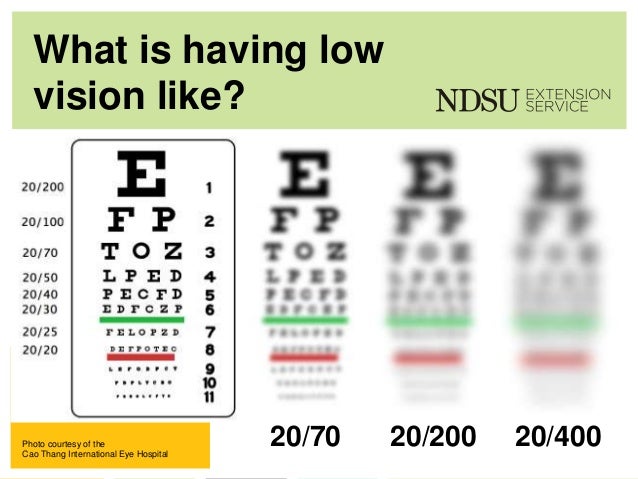
In the U.S. we have a classification system for levels of vision loss. As most people know 20/20 is perfect vision (and a lovely two part album series by JT!). When the second number gets bigger the more vision loss a person has; for example I'm 20/70 so I can see at 20 feet what a fully sighted person can see at 70 feet away with best correction via glasses/contacts/surgery.
However, you are not 'legally blind' by definition if your visual acuity (or accuracy) is better than 20/200. When I was a little girl I was by definition legally blind but somehow my vision decided to improve slightly so now I can't actually claim legal blindness. In recent years sometimes my mom would say something like, "Helon is legally blind" when explaining my many medical conditions to whomever needed that information but I don't think she knew that wasn't exactly the case in terms of accuracy on a medical standpoint but hey it is an easier explanation, right? Way less wordy for sure.
Let me illustrate to you perfectly sighted people what my vision looks like with a picture I Googled:
I was doing some research (is anyone surprised?) on what exactly constitutes low vision versus legal blindness in the United States and I've gotten some very interesting results. Come on this journey as I share my enlightenment of this topic through my own
In the U.S. we have a classification system for levels of vision loss. As most people know 20/20 is perfect vision (and a lovely two part album series by JT!). When the second number gets bigger the more vision loss a person has; for example I'm 20/70 so I can see at 20 feet what a fully sighted person can see at 70 feet away with best correction via glasses/contacts/surgery.
However, you are not 'legally blind' by definition if your visual acuity (or accuracy) is better than 20/200. When I was a little girl I was by definition legally blind but somehow my vision decided to improve slightly so now I can't actually claim legal blindness. In recent years sometimes my mom would say something like, "Helon is legally blind" when explaining my many medical conditions to whomever needed that information but I don't think she knew that wasn't exactly the case in terms of accuracy on a medical standpoint but hey it is an easier explanation, right? Way less wordy for sure.
Let me illustrate to you perfectly sighted people what my vision looks like with a picture I Googled:
See the Snellan chart that says 20/70? Welcome to my visual world, people. Funny thing is in the last few times I've been to my eye doctor when they've always asked if I could read past the fourth line I have actually laughed at the absurdity of that question.
Some of y'all who know me well might ask, "But didn't your last eye surgery help your vision?" and the answer is no. The only eye surgery that I know of that can truly improve vision loss is LASIK (lol) which I'm a horrible candidate for.
Now that I've explained the #VisuallyImpairedStruggle there are actually some awesome things about living with low sight including and not limited to: private turs at museums/historical sites if applicable, front row parking spaces (who doesn't love that?) if you drive or passes for people who drive you around because you're too cool to drive yourself so others drive you, front row seats at like any event ever if you can choose your seats, Braille is cool and so is large print, and a white cane or service dog makes you a badass I think or a guy/chick magnet in the case of a dog.
Appreciate your sight, however low or high your Snellan numbers are people.
Wednesday, April 22, 2015
My Views On Religion
Okay guys, so I've been reading a lot of articles on Thought Catalog or wherever about people's views on religion/whether God exists or not etc and I want to share mine. But before I do, let me just say I am absolutely not trying to discourage your own religious views. I have mine, and you have yours and most likely they differ greatly but that's cool. Isn't that what the world is built on, diversity?
I have friends with all kinds of religious views or none at all but that doesn't make me love them more or less. They're my friends so I love them unconditionally for them and enjoy swapping views on religion with them if the topic comes up. Same with my family: we're a mix of all kinds of Christianity and that's pretty cool.
I'm a scholar: I love learning about things including religion. I've recently gotten into Jewish history and culture and have enjoyed embracing that journey. I guess everyone has their own sort of spiritual journey and that must be part of mine. Going along with being a scholar, my thought processes are based on logic and reasoning rather than faith so that's the opposite side to that coin. I do not believe that faith alone will get you anywhere: you've got to work to get there and have faith in whatever it is (yourself, God, etc) along the way.
I was raised by parents who are Presbyterians and that works for them which is great. They baptized us which made sense at the time since we couldn't think for ourselves as infants. When you get to eighth grade in their church you go through Confirmation which is like a Bar/Bat Mitzvah in Judaism (but far less studying or fun) because you become responsible for your own religious actions from then on by expressing that your faith is yours and not your parents' faith on your behalf.
So I went through that, yes. But at thirteen I knew so much less of the world and couldn't think for myself as critically as I am able to now. Looking back, I wish I would have questioned more and figured out what I know now a little earlier.
I became agnostic probably my sophomore year of high school.
I am agnostic because I believe that I cannot know if God as a higher power exists. That question is too much for humans to comprehend in my opinion but yet I don't believe that God doesn't exist. How can people not look around you and be amazed at what you see? I'm pretty sure only some form of a higher power plus a little evolution could create such a beautiful world.
To my understanding, Christianity is based on the idea that everybody has a personal relationship with God. But God is also overseeing the universe right? Then if that's the case, he obviously doesn't have time or energy to care about what a college kid like me is doing while the country of Syria is tearing itself apart with civil war and innocent people are being killed. If I could talk to God I'd ask him to please focus on the latter rather than me. I'll focus on me, you focus on issues over my head and that sounds like a deal.
And I'm cool with that. you do you God if you're out there. I'll do me.
I have friends with all kinds of religious views or none at all but that doesn't make me love them more or less. They're my friends so I love them unconditionally for them and enjoy swapping views on religion with them if the topic comes up. Same with my family: we're a mix of all kinds of Christianity and that's pretty cool.
I'm a scholar: I love learning about things including religion. I've recently gotten into Jewish history and culture and have enjoyed embracing that journey. I guess everyone has their own sort of spiritual journey and that must be part of mine. Going along with being a scholar, my thought processes are based on logic and reasoning rather than faith so that's the opposite side to that coin. I do not believe that faith alone will get you anywhere: you've got to work to get there and have faith in whatever it is (yourself, God, etc) along the way.
I was raised by parents who are Presbyterians and that works for them which is great. They baptized us which made sense at the time since we couldn't think for ourselves as infants. When you get to eighth grade in their church you go through Confirmation which is like a Bar/Bat Mitzvah in Judaism (but far less studying or fun) because you become responsible for your own religious actions from then on by expressing that your faith is yours and not your parents' faith on your behalf.
So I went through that, yes. But at thirteen I knew so much less of the world and couldn't think for myself as critically as I am able to now. Looking back, I wish I would have questioned more and figured out what I know now a little earlier.
I became agnostic probably my sophomore year of high school.
I am agnostic because I believe that I cannot know if God as a higher power exists. That question is too much for humans to comprehend in my opinion but yet I don't believe that God doesn't exist. How can people not look around you and be amazed at what you see? I'm pretty sure only some form of a higher power plus a little evolution could create such a beautiful world.
To my understanding, Christianity is based on the idea that everybody has a personal relationship with God. But God is also overseeing the universe right? Then if that's the case, he obviously doesn't have time or energy to care about what a college kid like me is doing while the country of Syria is tearing itself apart with civil war and innocent people are being killed. If I could talk to God I'd ask him to please focus on the latter rather than me. I'll focus on me, you focus on issues over my head and that sounds like a deal.
And I'm cool with that. you do you God if you're out there. I'll do me.
Saturday, April 18, 2015
Am I Inspirational? Yes? Wrong Answer
The correct answer is no, I am not.
I saw this link on Facebook that was about how calling disabled people inspirational has become such a cliche that it's almost insulting now and I agree 100 percent. To me an inspirational person is someone like Louie Zamperini who overcame unimaginable cruelty as a POW or someone like Princess Diana who fought like hell for the causes she believed until she died.
And what have I done exactly? Yes, I survived a stroke when I was a mass of developing cells and organs but in what world is that inspirational? People have told me I'm an inspiration to them and by now if I don't know the person who tells me this it annoys me. So I've inspired you to survive a stroke? Lovely. I wish you luck with that.
One of my friends saw I had shared the article and she commented on it. She said, "But you are inspiring. You deal with issues so beautifully. Things I do take more work for you but you still love life and are positive. People nowadays are so lazy and 'I can't' and you're so 'Um yes I can'."
Now, coming from a very good friend of mine most of that is extremely sweet but there is one problem in the third line. Things she can do I can do too BUT actually we do them putting in the same amount of work. Just because my brain is rewired does not mean I have to work harder to do day-to-day things; all it means is that I found ways to do them differently to make sure my body doesn't overwork itself by trying to do things like she does.
That's not inspirational at all. That's what I call the "Adapt or Die" instinct that all humans have inside them. Our will to survive in hostile environments is astounding. If I hadn't adapted to my own body it's vert unlikely I'd be where I am.
If I were an inspiration, I'd say I could do anything. That's wrong.
There are many careers I know i cannot do. I will never be a surgeon because of the way my left hand is not on par with my right, I will never be a rocket scientist because I know my math skills are definitely not good enough, and those are just two really good examples. Now, I'm not a pessimist at all but my school of thought is based on logic. It does not seem logical to me that a sane person would want to have a person with very good use of one hand and little use of the other operate on them. I know I wouldn't.
On the flip side of that, there is a lot I could choose to do as a career. My absolute dream is to be an author and historian but considering neither of those make any money as a sole career I have considered possibly going into medical law. Medicine has always fascinated me as a whole and by working on the legal aspect of it I am in no danger of making a mistake that could result in the death of an individual. So yes, it's very plausible I could do that.
So bottom line: don't you dare tell me I'm an inspiration to you because of what I've gone through/survived as it comes off wrong in most cases. If you want to be inspired by me, I suggest finding inspiration in how my existence can contribute to society through the work I do rather than my backstory.
I saw this link on Facebook that was about how calling disabled people inspirational has become such a cliche that it's almost insulting now and I agree 100 percent. To me an inspirational person is someone like Louie Zamperini who overcame unimaginable cruelty as a POW or someone like Princess Diana who fought like hell for the causes she believed until she died.
And what have I done exactly? Yes, I survived a stroke when I was a mass of developing cells and organs but in what world is that inspirational? People have told me I'm an inspiration to them and by now if I don't know the person who tells me this it annoys me. So I've inspired you to survive a stroke? Lovely. I wish you luck with that.
One of my friends saw I had shared the article and she commented on it. She said, "But you are inspiring. You deal with issues so beautifully. Things I do take more work for you but you still love life and are positive. People nowadays are so lazy and 'I can't' and you're so 'Um yes I can'."
Now, coming from a very good friend of mine most of that is extremely sweet but there is one problem in the third line. Things she can do I can do too BUT actually we do them putting in the same amount of work. Just because my brain is rewired does not mean I have to work harder to do day-to-day things; all it means is that I found ways to do them differently to make sure my body doesn't overwork itself by trying to do things like she does.
That's not inspirational at all. That's what I call the "Adapt or Die" instinct that all humans have inside them. Our will to survive in hostile environments is astounding. If I hadn't adapted to my own body it's vert unlikely I'd be where I am.
If I were an inspiration, I'd say I could do anything. That's wrong.
There are many careers I know i cannot do. I will never be a surgeon because of the way my left hand is not on par with my right, I will never be a rocket scientist because I know my math skills are definitely not good enough, and those are just two really good examples. Now, I'm not a pessimist at all but my school of thought is based on logic. It does not seem logical to me that a sane person would want to have a person with very good use of one hand and little use of the other operate on them. I know I wouldn't.
On the flip side of that, there is a lot I could choose to do as a career. My absolute dream is to be an author and historian but considering neither of those make any money as a sole career I have considered possibly going into medical law. Medicine has always fascinated me as a whole and by working on the legal aspect of it I am in no danger of making a mistake that could result in the death of an individual. So yes, it's very plausible I could do that.
So bottom line: don't you dare tell me I'm an inspiration to you because of what I've gone through/survived as it comes off wrong in most cases. If you want to be inspired by me, I suggest finding inspiration in how my existence can contribute to society through the work I do rather than my backstory.
Friday, March 27, 2015
The Scars of USHMM Part Six- Shoes
To lead into this sixth part of the blog series on my USHMM visit I want to tell a story about when I was a child.
When I was little and went to the pediatrician for yearly checkups, a visit which I loathed to the point of spitting on people (but that's irrelevant so we'll ignore that), there was this one doctor named Dr. Smith. He used to always come in to see me and then proceed take one or both of my shoes to mess with me. He'd tell me how good they'd look on him instead of me and at my young age I must not have understood his sarcasm because I would cry and beg him not to take my shoes.
On the second floor of the Permanent Exhibition at the USHMM there is a display of hundred of actual shoes taken from victims before they were gassed at Auschwitz. The shoes are one of the artifacts that a lot of people familiar with the USHMM say affected them the most. The shoes range in all styles and sizes, but they are all this gray color because time has taken a toll on their appearance.
If you can imagine the smell of old shoes than that's what he shoe display smells like. It's almost as disgusting as the circumstances of the shoes is and it's chilling.
While I looked at the shoes that story of Dr. Smith and my shoes came into my head and the comparison nearly was too much. I always got my shoes back from Dr. Smith but these shoes before me were never returned to their owners who were unknowingly walking to their deaths. Their shoes, suitcases, and clothes would never be returned to them. Instead they'd be confiscated and sent to Germany in most cases.
Be thankful for your shoes, people. Be thankful for your clothes, your glasses, your possessions because you never know when they won't be returned to you. It's a privilege to have what we have and we take that for granted way too often.
When I was little and went to the pediatrician for yearly checkups, a visit which I loathed to the point of spitting on people (but that's irrelevant so we'll ignore that), there was this one doctor named Dr. Smith. He used to always come in to see me and then proceed take one or both of my shoes to mess with me. He'd tell me how good they'd look on him instead of me and at my young age I must not have understood his sarcasm because I would cry and beg him not to take my shoes.
On the second floor of the Permanent Exhibition at the USHMM there is a display of hundred of actual shoes taken from victims before they were gassed at Auschwitz. The shoes are one of the artifacts that a lot of people familiar with the USHMM say affected them the most. The shoes range in all styles and sizes, but they are all this gray color because time has taken a toll on their appearance.
If you can imagine the smell of old shoes than that's what he shoe display smells like. It's almost as disgusting as the circumstances of the shoes is and it's chilling.
While I looked at the shoes that story of Dr. Smith and my shoes came into my head and the comparison nearly was too much. I always got my shoes back from Dr. Smith but these shoes before me were never returned to their owners who were unknowingly walking to their deaths. Their shoes, suitcases, and clothes would never be returned to them. Instead they'd be confiscated and sent to Germany in most cases.
Be thankful for your shoes, people. Be thankful for your clothes, your glasses, your possessions because you never know when they won't be returned to you. It's a privilege to have what we have and we take that for granted way too often.
Wednesday, March 25, 2015
The Scars Of USHMM Part Five- The Vastness Of The Place And The Crime
Sorry this is late, I've been super busy with school things!
Anyway...
In part five of this series I'm going to cover the museum itself. It's a huge place, and an unsettling one. When you're in the main lobby/atrium you look up and the ceiling is caged like a barbed wire fence and you just know this place is unlike any other place you've been in your life.
The atrium itself seems like a never ending hall when you stand in it and even though I spent a good bit of time at the museum I did not see all of it, but I'd like to one day.
When I first stood in the atrium I knew this place was different. Something was wrong here, was my first thought. And it is but you can't put your finger on it right away unless you're an architect. The walls are mismatching, the ceiling lets light in yet you're caged. It's like an architectural paradox.
The exhibit is laid out in a similar fashion with the walls getting narrower and narrower as you move through to symbolize the walls closing in as the Nazis gained power over more people's fates. At one point on the first floor there is a blocked off section and to get to it you have to go this really complicated way around. I assume whomever designed the museum had these intentions to make you feel like you're walking along this path.
And it's horrifying.
I can see how clever they were when building the place because the architecture becomes part of the story and the feelings of unease stay with you after you leave. I know I will never forget looking up at the ceiling of the atrium and seeing the sunlight shine on me but never quite reaching me. The architecture, I think, is a huge part of what makes the museum such an unforgettable place. There you feel a small fraction of the pain the victims felt and that feeling stays with you forever.
They say time heals all wounds, but I don't think these will ever heal.
Anyway...
In part five of this series I'm going to cover the museum itself. It's a huge place, and an unsettling one. When you're in the main lobby/atrium you look up and the ceiling is caged like a barbed wire fence and you just know this place is unlike any other place you've been in your life.
The atrium itself seems like a never ending hall when you stand in it and even though I spent a good bit of time at the museum I did not see all of it, but I'd like to one day.
When I first stood in the atrium I knew this place was different. Something was wrong here, was my first thought. And it is but you can't put your finger on it right away unless you're an architect. The walls are mismatching, the ceiling lets light in yet you're caged. It's like an architectural paradox.
The exhibit is laid out in a similar fashion with the walls getting narrower and narrower as you move through to symbolize the walls closing in as the Nazis gained power over more people's fates. At one point on the first floor there is a blocked off section and to get to it you have to go this really complicated way around. I assume whomever designed the museum had these intentions to make you feel like you're walking along this path.
And it's horrifying.
I can see how clever they were when building the place because the architecture becomes part of the story and the feelings of unease stay with you after you leave. I know I will never forget looking up at the ceiling of the atrium and seeing the sunlight shine on me but never quite reaching me. The architecture, I think, is a huge part of what makes the museum such an unforgettable place. There you feel a small fraction of the pain the victims felt and that feeling stays with you forever.
They say time heals all wounds, but I don't think these will ever heal.
Monday, March 16, 2015
The Scars of USHMM Part Two- Grieving
In this second part of a series on the USHMM and my experience I'm going to cover the topic of grief.
Firstly, grief is actually defined as "A multifaceted response to loss, particularly to the loss of someone or something that has died, to which a bond or affection was formed. Although conventionally focused on the emotional response to loss, it also has physical, cognitive, behavioral, social, spiritual, and philosophical dimensions." That sounds like the grief we have all known at some point or another in our lives, right? It implies that we knew the person we are grieving for closely.
But what if that's not the case? What if you never knew them?
That's where the USHMM comes in. I have never in my life experienced such a level of grief for people I never met. I was used to grieve for people I had known personally like my Nan who passed last August. Anyway, you walk into the place and know you're about to see something horrible but you don't know when you'll start to feel the grief. You might even doubt you can because you most likely never knew these people.
There's a part of the permanent exhibit called the Tower of Faces. It's a bridge you walk across and on the walls you see hundreds of photos of people smiling, living life. Then you hear what happened to them:
The town where the photos were taken was Eishyshock in Lithuania. German troops arrived in Eišiškės on June 23, 1941, and on September 21, 1941, an SS Einsatzgruppen (mobile killing unit) entered the town, accompanied by Lithuanian auxiliaries. More than four thousand Jews from Eishishok and its neighboring towns and villages were first imprisoned in three synagogues and then taken in groups of 250 to the old Jewish cemetery where SS men ordered them to undress and stand at the edge of open pits. There, Lithuanian auxiliary troops shot them to death. The old cemetery is now a site of remembrance with a memorial stone in three languages. The new cemetery was destroyed in 1953 and turned into the yard of a kindergarten.[8] Some of the private Jewish buildings survive and are protected as part of the urban heritage. One school is now a library, while another was demolished. There are no Jews living there today.
More than four thousand Jews killed in two days by shooting each one to death individually.
If that doesn't make you feel something, I don't know what can. But as I looked at all these happy faces of pre-war Jews who had all been killed I could barely tell my mom the story of the Tower I almost broke down. And looking back, I wish I would have.
Moving on is a necessary part of life, but before you do that you need to grieve what you lost. I am still doing that, even though I am still whole; I didn't lose anything. And yet, I'm shattered.
Firstly, grief is actually defined as "A multifaceted response to loss, particularly to the loss of someone or something that has died, to which a bond or affection was formed. Although conventionally focused on the emotional response to loss, it also has physical, cognitive, behavioral, social, spiritual, and philosophical dimensions." That sounds like the grief we have all known at some point or another in our lives, right? It implies that we knew the person we are grieving for closely.
But what if that's not the case? What if you never knew them?
That's where the USHMM comes in. I have never in my life experienced such a level of grief for people I never met. I was used to grieve for people I had known personally like my Nan who passed last August. Anyway, you walk into the place and know you're about to see something horrible but you don't know when you'll start to feel the grief. You might even doubt you can because you most likely never knew these people.
There's a part of the permanent exhibit called the Tower of Faces. It's a bridge you walk across and on the walls you see hundreds of photos of people smiling, living life. Then you hear what happened to them:
The town where the photos were taken was Eishyshock in Lithuania. German troops arrived in Eišiškės on June 23, 1941, and on September 21, 1941, an SS Einsatzgruppen (mobile killing unit) entered the town, accompanied by Lithuanian auxiliaries. More than four thousand Jews from Eishishok and its neighboring towns and villages were first imprisoned in three synagogues and then taken in groups of 250 to the old Jewish cemetery where SS men ordered them to undress and stand at the edge of open pits. There, Lithuanian auxiliary troops shot them to death. The old cemetery is now a site of remembrance with a memorial stone in three languages. The new cemetery was destroyed in 1953 and turned into the yard of a kindergarten.[8] Some of the private Jewish buildings survive and are protected as part of the urban heritage. One school is now a library, while another was demolished. There are no Jews living there today.
More than four thousand Jews killed in two days by shooting each one to death individually.
If that doesn't make you feel something, I don't know what can. But as I looked at all these happy faces of pre-war Jews who had all been killed I could barely tell my mom the story of the Tower I almost broke down. And looking back, I wish I would have.
Moving on is a necessary part of life, but before you do that you need to grieve what you lost. I am still doing that, even though I am still whole; I didn't lose anything. And yet, I'm shattered.
Sunday, March 1, 2015
CP Awareness Questionare
Since March is Cerebral Palsy Awareness Month I want to do some posts on the blog related to CP awareness throughout the month. First I'll start off with some of the questions I've gotten over the years about my own condition. Some people don't think hemiparesis is a form of CP and some do so I'm not quite sure who to believe but anyway here we go.
Q: What does it feel like to have hemiparesis?
A: It actually doesn't feel like anything really. My left side feels just like my right side even though it doesn't work as well. Some people I've talked to say that hemiplegia (the more severe form of hemiparesis) feels like the affected side is "asleep" but my left side doesn't feel like that so it must depend.
Q: Why do you walk on your tip toes on your left side?
A: This is an interesting question that I believe medically boils down to the fact that my left heel cord is not as long as my right which is common in hemiparetic/hemiplegic people. Some kids have a surgery that can lengthen the heel cord so they can walk better, but my go to instant cure is wedges. When I wear wedges it's not that noticeable.
Q: Can you open your left hand?
A: Of course! As a little kid it took me time and therapy to learn how to do this, but now it's open about 96% of the time. Some kids affected by CP can't open their hands, but in mild cases most kids will be able to do it with training.
Q: Have you ever had surgery related to your hemiparesis?
A: Fortunately, no I have not. Back when I was younger, doctors had thrown around the idea of heel cord surgery but my parents thought it wasn't for me. I have, however, had eye muscle surgery twice once in 1997 and once last July.
Q: How long did you do therapy for?
A: I did occupational therapy until I was nine and on and off physical therapy until I was around twelve. I wore hand splints and AFO'S (foot braces) during this time as well.
Q: What caused your hemiparesis?
A: A stroke in utero around May 1995 I think (I was born in July).
Q: Did you have any trouble in school in the academic sense (i.e. any learning disabilities)?
A: No. I do struggle with math but maybe because that's because my brain is more orientated towards English and history. I can spit out almost any date you give me.
Q: What about socially? Did you have a hard time making friends?
A; No I did not and thankfully I was never really teased in school.
Q: What does it feel like to have hemiparesis?
A: It actually doesn't feel like anything really. My left side feels just like my right side even though it doesn't work as well. Some people I've talked to say that hemiplegia (the more severe form of hemiparesis) feels like the affected side is "asleep" but my left side doesn't feel like that so it must depend.
Q: Why do you walk on your tip toes on your left side?
A: This is an interesting question that I believe medically boils down to the fact that my left heel cord is not as long as my right which is common in hemiparetic/hemiplegic people. Some kids have a surgery that can lengthen the heel cord so they can walk better, but my go to instant cure is wedges. When I wear wedges it's not that noticeable.
Q: Can you open your left hand?
A: Of course! As a little kid it took me time and therapy to learn how to do this, but now it's open about 96% of the time. Some kids affected by CP can't open their hands, but in mild cases most kids will be able to do it with training.
Q: Have you ever had surgery related to your hemiparesis?
A: Fortunately, no I have not. Back when I was younger, doctors had thrown around the idea of heel cord surgery but my parents thought it wasn't for me. I have, however, had eye muscle surgery twice once in 1997 and once last July.
Q: How long did you do therapy for?
A: I did occupational therapy until I was nine and on and off physical therapy until I was around twelve. I wore hand splints and AFO'S (foot braces) during this time as well.
Q: What caused your hemiparesis?
A: A stroke in utero around May 1995 I think (I was born in July).
Q: Did you have any trouble in school in the academic sense (i.e. any learning disabilities)?
A: No. I do struggle with math but maybe because that's because my brain is more orientated towards English and history. I can spit out almost any date you give me.
Q: What about socially? Did you have a hard time making friends?
A; No I did not and thankfully I was never really teased in school.
Thursday, February 12, 2015
Knowing What I Want To Do So Young?
Some people get married young, some enter the workforce young, some people know what they want to do with the rest of their lives young. All three of these are somehow looked down upon by society in a way. Why would such a young person know they've found the One? Why would someone not go to college and get a job out of high school? What do eighteen/nineteen year olds know about themselves, right?
I fall into the third category. Since my junior year I knew I wanted to preserve the history of the Holocaust and teach it to others. I'm not a schoolteacher-type person but that doesn't mean I can't teach others if I'm not in a teacher's position. I do not want to be a teacher, but I know I have a passion and sense of importance surrounding what I do.
This March I'm having an article on the Holocaust education resources we have in Georgia published by an Atlanta bimonthly paper called the Jewish Georgian. I am so lucky for this opportunity to assert myself in this field while I'm still young. Some people might think that I'm just experimenting with different career options at my age but somehow I know I'm on the right path with my life. I might end up doing something else as a main career, but I'm certain the underlying reason why I make a career choice in the future will be because I have an opportunity to continue educating.
So I guess in a way I'm kind of lucky to know what I want. I'm the type of person who knows her own mind and I really like that.
I fall into the third category. Since my junior year I knew I wanted to preserve the history of the Holocaust and teach it to others. I'm not a schoolteacher-type person but that doesn't mean I can't teach others if I'm not in a teacher's position. I do not want to be a teacher, but I know I have a passion and sense of importance surrounding what I do.
This March I'm having an article on the Holocaust education resources we have in Georgia published by an Atlanta bimonthly paper called the Jewish Georgian. I am so lucky for this opportunity to assert myself in this field while I'm still young. Some people might think that I'm just experimenting with different career options at my age but somehow I know I'm on the right path with my life. I might end up doing something else as a main career, but I'm certain the underlying reason why I make a career choice in the future will be because I have an opportunity to continue educating.
So I guess in a way I'm kind of lucky to know what I want. I'm the type of person who knows her own mind and I really like that.
Tuesday, February 3, 2015
Would I Rather Be Able Bodied?
I am 19 and I am disabled.
Of course I never use that as an excuse for anything but I've been seeing a lot of parents of special needs kids in the group I volunteer for called CHASA repost things from blog sites about having a disabled child so I'm going to weigh in here. Not all the posts I've seen are like this but it seems to me a lot of the authors of the blogs write in a way that attracts pity, whether they want it or not. I think this has got to stop.
If you have a child who was born different from others, a lot of these moms who write blogs say they can't stop comparing their kids to able bodied kids. I'm not a mom so maybe I don't quite fully understand where they're coming from, but as a disabled teenage girl comparing myself to others my age is just stupid. Why would I wish I looked like the cheerleader? Why would I wish I was into One Direction rather than studying the Holocaust? As a teen girl that sounds crazy so why are parents of young children born differently comparing their kids to others and not enjoying their unique kid?
A lot of people who don't understand what it's like to be disabled also are quite unaware of the set of etiquette rules for interacting with disabled people. Over the years I have gotten everything from people's pity to blunt and forward questions about why I walk the way I do and if I'm in chronic pain. To the first type of question I usually tell people that it isn't their place to ask if that's the first thing they can think of when they approach me. To the latter, it kind of shocks me. No I'm not in chronic pain at all but it makes me wonder if it looks that way to others.
A lot of disabled people don't want pity from others. Yes, we had something that we really couldn't do anything about happen to make us this way and no, some of us don't feel bad for ourselves so neither should you. Some of us don't sit around comparing ourselves to our peers, instead we get involved in any aspect of life that we can. We actually appreciate little things more than anyone else. And that's something I'm proud of.
Of course I never use that as an excuse for anything but I've been seeing a lot of parents of special needs kids in the group I volunteer for called CHASA repost things from blog sites about having a disabled child so I'm going to weigh in here. Not all the posts I've seen are like this but it seems to me a lot of the authors of the blogs write in a way that attracts pity, whether they want it or not. I think this has got to stop.
If you have a child who was born different from others, a lot of these moms who write blogs say they can't stop comparing their kids to able bodied kids. I'm not a mom so maybe I don't quite fully understand where they're coming from, but as a disabled teenage girl comparing myself to others my age is just stupid. Why would I wish I looked like the cheerleader? Why would I wish I was into One Direction rather than studying the Holocaust? As a teen girl that sounds crazy so why are parents of young children born differently comparing their kids to others and not enjoying their unique kid?
A lot of people who don't understand what it's like to be disabled also are quite unaware of the set of etiquette rules for interacting with disabled people. Over the years I have gotten everything from people's pity to blunt and forward questions about why I walk the way I do and if I'm in chronic pain. To the first type of question I usually tell people that it isn't their place to ask if that's the first thing they can think of when they approach me. To the latter, it kind of shocks me. No I'm not in chronic pain at all but it makes me wonder if it looks that way to others.
A lot of disabled people don't want pity from others. Yes, we had something that we really couldn't do anything about happen to make us this way and no, some of us don't feel bad for ourselves so neither should you. Some of us don't sit around comparing ourselves to our peers, instead we get involved in any aspect of life that we can. We actually appreciate little things more than anyone else. And that's something I'm proud of.
Monday, February 2, 2015
Do Holocaust Scholars Ever Get Overwhelmed?
I've been doing a lot of thinking about what I do lately since this week had International Holocaust Remembrance Day, so that's the reason for all these notes. If you enjoy them, then great. If you don't that's okay too. Anyway, last weekend my friends went home to see their families and I stayed at school to help a friend work on a Holocaust themed legal paper. Since I had the room to myself for two nights I decided to watch Schindler's List since I can only really do that when I'm truly alone but I'll get to that in a second.
I watched the film over two nights because it's such a long one. The first night I was okay, but then again I had saved the real part that gets me to break down for the next night so there's that. The second night I had spent the day helping my friend with her paper for the chunk of the day before watching it. If you've seen the movie you know the end and if you haven't you need to watch it. So after I finished the movie I called my friend Amanda who was home from college. She and I talked about her mom forgetting to upload some pictures for a minute and she started laughing and so did I. And then out of the blue I started sobbing, like full on sobbing.
Schindler's List is the only movie I have ever sobbed over. Sure in eighth grade Twilight got a few tears out of me as did the last two Harry Potter movies, but never had a movie hit me like Schindler's List and I doubt none ever will again. the thing about it is, you have the reaction the first time you finish the movie and then are left to process it and that reaction is why most people only watch it once in heir lifetime and I don't blame them. If you watch it a second time you think you'll be prepared.
Wrong.
I've seen the full movie about five times and have a worse reaction each time. It's not because I don't know what's coming, but because I'm fully aware of it. And it's one of those movies that doesn't leave you after you turn it off. It becomes a part of you.
So what does watching Schindler's List have to do with Holocaust studies other than the obvious?
To me, I think it reinforces why I do what I'm doing. It reminds me why I need to help Holocaust education reach people in the present times. It reminds me that one person can make a difference. And it also reminds me that when you work in this area like I do, you break down. It may not be often, but you do because the reality of the history consumes you whe you physically see it. I think that only a selected few people are chosen to work in Holocaust studies because of that and because we keep the memory alive we can piece ourselves back together after we break down and continue on with our work.
I'm very pleased and passionate about what I do.
I watched the film over two nights because it's such a long one. The first night I was okay, but then again I had saved the real part that gets me to break down for the next night so there's that. The second night I had spent the day helping my friend with her paper for the chunk of the day before watching it. If you've seen the movie you know the end and if you haven't you need to watch it. So after I finished the movie I called my friend Amanda who was home from college. She and I talked about her mom forgetting to upload some pictures for a minute and she started laughing and so did I. And then out of the blue I started sobbing, like full on sobbing.
Schindler's List is the only movie I have ever sobbed over. Sure in eighth grade Twilight got a few tears out of me as did the last two Harry Potter movies, but never had a movie hit me like Schindler's List and I doubt none ever will again. the thing about it is, you have the reaction the first time you finish the movie and then are left to process it and that reaction is why most people only watch it once in heir lifetime and I don't blame them. If you watch it a second time you think you'll be prepared.
Wrong.
I've seen the full movie about five times and have a worse reaction each time. It's not because I don't know what's coming, but because I'm fully aware of it. And it's one of those movies that doesn't leave you after you turn it off. It becomes a part of you.
So what does watching Schindler's List have to do with Holocaust studies other than the obvious?
To me, I think it reinforces why I do what I'm doing. It reminds me why I need to help Holocaust education reach people in the present times. It reminds me that one person can make a difference. And it also reminds me that when you work in this area like I do, you break down. It may not be often, but you do because the reality of the history consumes you whe you physically see it. I think that only a selected few people are chosen to work in Holocaust studies because of that and because we keep the memory alive we can piece ourselves back together after we break down and continue on with our work.
I'm very pleased and passionate about what I do.
On Being Unbroken
I'm a writer. I'm an avid reader. Books teach me things about life. I gain something from almost everything I read whether it was academic knowledge or life lessons. Harry Potter for example taught me that friendship and family and love are three of the most important things a person can have. When I first read Laura Hillenbrand's extraordinary biography of Louie Zamperini I learned that you are more resilient that you think. Few of the books I've read in my short existence have changed my life and Unbroken was one. Then the film came out and it sealed the deal.
I went to go see the movie on Christmas break the day after Christmas with my parents and grandparents. My grandpa and dad and I had read the book so we were familiar with Louie's story. My grandpa actually had seen Louie speak in Houston a few months after he read the book. There was a line for the movie even at the theater we had to drive twenty minutes to because it was the only one we could get tickets at for that day. As I sat and watched I was amazed at how well made the film was but I was also amazed how through it all Louie never gave in. At the end of the movie not only had I decided Louie was my hero but there was this moment where the whole theater was silent for a split second and then started applauding. I had never seen that happen and it was so profound. I doubt I ever will see a moment like that in a cinema again.
After seeing the movie I fell in love with the personality of Louie Zamperini (and it also doesn't hurt that he was quite a good looking guy in his youth too!). How someone could have gone through all he did and have the strength to offer forgiveness to those that hurt him as much as they did amazed me. Last year I had some time to extend forgiveness to a few people myself but what they had done was nowhere near on the scale of what Louie forgave. I wish I had gotten a chance to meet Louie. If I did I probably would tell him that he is such an inspiration to my life and hugged him. His story has taught me more about resilience than any other book.
But what does that mean? To be Unbroken? Well, if you think simply it means to be not broken. But as a writer I'm also a self proclaimed philosopher so to me being unbroken goes hand in hand with resilience. Resilience is one of the best weapons a person can wield. It makes individuals amazing and helps them inspire others. To me anyone can be Unbroken if they onn't let anything get to them. Life sucks sometimes but if you can take it you can make it. I've met so many people who have taught me this from a young age but in that theater I knew I chose to be Unbroken for life.
So thank you Laura Hillenbrand for contributing to my self discovery and thank you to Louie for living the life he did and being as amazing as he was. I hope to be half the person he was.
On Self Love
An article I read on Thought Catalog about a writer who has Cerebral Palsy and his struggle with self love really got me thinking about it. As some of you know I help mentor kids with hemiplegia/hemiparesis/CP and try to help them love themselves early on, because I think self love is a must in life. Some people I speak to about this are adults and even they find it helpful. So without further adieu my writer's mind came up with this.
A Journey to Self Love
By Helon Dobbins
I have had hemiparesis since I was born. It's just been a fact of my life. Despite all the privilege I was fortunate enough to have been raised in the fact remains that I am a disabled American. And I'm proud to be both those things. I'm proud of my country and the history of it and the freedom I have every day but more importantly I am proud to be hemiparetic. Why, you ask? Because it gives me identity. It says I'm a fighter. Some of you know about my recent connection with Unbroken and the reason in part is because I am my own Louie Zamperini. I didn't go through anything near what he did but I certainly have a story and a history that still affects who I am now and will for the rest of my life.
Now, I don't want to sound vain or like I'm seeking pity. I don't want anyone's pity. I'm not writing this because I think it will get liked or shared or commented on. I write this as a response to something I read, and as a writer I like to write. Not always about myself, but n a rare occasion I do. But so many disabled people spike pity, I think, because they can't be comfortable with how they were born and that to the disabled community who has accepted and embraced the way we are is mind boggling.
If you had asked me five years ago at 14 if I loved who I was my response would have been hell no. I was in my awkward teenager phase mixed with the teenage angst phase that was slowly creeping upon me. I dyed my hair (a choice I still love by the way, the only choice from that time in my life I still agree with) and thought that might help me. It didn't. I went through the teen agst hard and for a while at fifteen I thought about killing myself. I really did, and now looking back I'm so glad I didn't. When people say the best has yet to come, they're right.
At that time as a freshman/sophomore in high school some of my friends had boyfriends. I thought, "Who would ever like me or want to go out with me? I'm ugly and half of my body doesn't work like other girls." Boys are idiots (sorry guys reading this) in high school and it takes a good majority of them time to man up. On the other hand, girls can be just as brutal if not more so in high school. Fortunately while I was never teased in high school I was too focused on being how society defined beauty that I didn't stop to think about what a stroke of luck it was that I was not bullied.
When I went to college I go questions as expected because I was meeting new people. Some of the questions were asked after a while of knowing the person who was asking and some were asked up front. I usually don't like the latter since in that situation the question is more likely to come off in a rude manner. In the first situation I would gladly explain and be honest but in the second I would kind of get annoyed. Like, really, is that the first thing you notice? Do you meet my disability before meeting me? Would it be fair if I pointed out your flaws after knowing you for five seconds? Simple answer: no. After something like that exchange happened they would feel bad. I don't usually like making others feel bad but in this case hopefully they learn for next time they might encounter a person who is clearly different from them.
The world spins on tragedy and atrocity. In my life I know this and am not immune to it and there are some nights where at 3 AM I get philosophical and wonder why. People are cruel. The world is wicked. Bad things happen to good people. People close to you will die. War happens often. So does genocide. But if we focus on these things or our own misfortunes constantly it will break us.
The world is also beautiful. If you think at 19 I don't know this you're wrong. I've seen beauty: I see it in a warm summer day, on my college campus every day surrounding me, in my family, in my friends, in opportunity I'm blessed with, in flowers, in music, in writing, on film, etc. These are the things we need to be focused on as times move forward. That will make the world happier.
I realize this is getting kind of off topic, but I have a lot to say. If we, disabled and able bodied people alike, do not love ourselves how are we supposed to love? I don't think you can, but that's one opinion. Everyone is made of love and therefore should share it. Choosing to ignore that is what sparks war and hatred so powerful it has led to some of the most unthinkable crimes.
Back to the original topic, I realize some disabled people struggle with self love and will all their life. I'm not saying it comes easily, but it will come. It may come and go but that's okay. Disabled people should realize we are truly AWESOME and we can do anything despite what others say or when they rudely point out our flaws. If we turn our flaws to strengths we will conquer anything. We already have conquered so much.
My Story
Author's Note: I am not doing this to be vain in any sense of the word, but to inspire others. Everyone has some story that can be used to inspire people and I want to share mine. I hold my heroes in high regards because they (whether they be my mom or a former U.S. President like JFK, Eisenhower or Reagan) inspire me and I, at my young age of 18, want to inspire others too! Also, May is Pediatric Stroke Awareness Month so I want to share this.
I was born on July 17th 1995 in Atlanta, Georgia. My story really starts before that in May of that year when an automobile accident my mom was in changed my life. Of course I wasn't born yet, but that event would be central to a story that I have to tell. Sad part aside, the doctors attending to my mom were clever enough to figure out that some damage had been done to me that had caused a bleed in the brain. I'm not certain what kind/how severe it was but I'd like to know one day for reference's sake.
They ran a lot of tests and threw out estimations of what the affects of the stroke I had would be. The thing about strokes is that you never know how they'll affect someone for certain. I've read tons of stories of kids who had strokes way worse than me. So in a way, I really lucked out. That said, when I was finally born I was diagnosed with left hemiparesis (Hemiparesis is a Greek term for one sided weakness), hydrocephalus (again throwing some Greek in, hydrocephalus means water on the brain), and visual problems.
I started a therapy regime, of which I don't recall much, that lasted from age six months to about eleven or twelve years old (maybe thirteen at the latest). We had me go to clinics, and even had therapists come to our house a few times a week. I wore foot braces called AFOs and hand splints. Therapy wasn't exactly daunting to me; some of it was kind of fun like playing on the balance beam my dad built for me, or with the little red and yellow cars one of my therapists had or the "Reach for Edward" game at my last therapy center (a game which I have no further comment upon, because Edward was an Edward Cullen from Twilight I used to carry around back in the Twilight Craze days).
Visually, I've gotten tons better. I used to be legally blind- 20/200 vision, but now I'm sitting at about 20/50 which works fine with me. I wear glasses and misplace them just as often! In 1997 I had strabismus surgery and will most likely receive it again this summer (despite my innate hatred of medical professionals as a whole entity).
School passed normally for me and I never really had trouble with anything but math, but isn't that what calculators are for? I have had great friends whom I love dearly. This fall I will be attending Young Harris College to study English and Holocaust studies to get ready to work at a museum. When people ask why the Holocaust all I'll say is that I can connect with the stories of tragedy that ultimately ended well. I have a lot of fun exploring new things and going into them 110%!
I also love writing because it's a great creative outlet. Another reason I'm lucky to be a writer is that I can see my stories come alive in my head like films because I type them slowly (I type with my right index finger only, by the way) so that's REALLY COOL to me to slow down and watch a story unfold before my eyes. I have a book already self published and one being considered by Baen Books for publication.
No story, I think, would be complete without the love and support of my amazing family and friends. You all are everything to me and more.
Subscribe to:
Posts (Atom)